- All
- Product Name
- Product Keyword
- Product Model
- Product Summary
- Product Description
- Multi Field Search


Views: 422 Author: Site Editor Publish Time: 2026-03-24 Origin: Site


Tufting has taken the world of DIY home decor and textile art by storm. However, any experienced artist knows that perfection is rarely achieved in the first pass. Whether it is a skipped stitch, a thinning patch, or a mistake in color placement, knowing how to fix your rug is just as important as knowing how to tuft it. This is where the Cut Mending Gun enters the picture. It is a specialized, Professional tool designed to bridge the gap between a ruined project and a masterpiece.
Before you invest in your first Cut Mending Gun, you must understand its specific function compared to standard tufting guns. It isn't just about making rugs; it is about the precision of restoration. In this comprehensive guide, we will break down the essential features, mechanical advantages, and operational insights you need. We aim to help you choose a Portable and High speed solution that ensures your textile projects meet the highest standards of quality and durability.
A Cut Mending Gun is a precision textile instrument used primarily for repairing or "filling in" areas of a tufted rug. While a standard tufting gun is built for mass volume and speed across a large canvas, the mending version focuses on localized accuracy. It allows you to add yarn to specific spots where the primary tufting may have failed or where the backing fabric is visible.
Even with a Professional setup, yarn can occasionally slip or break during the tufting process. These "thin spots" ruin the visual density of a rug. A Portable Cut Mending Gun allows you to go back into the finished work and inject yarn exactly where it is needed. It saves you from having to strip the entire section of yarn, which risks damaging the primary backing fabric.
The mechanical rhythm of this tool is different from a standard gun. It is often more Portable and easier to maneuver in tight corners or complex patterns. If you are working on high-detail textile art, this tool becomes your "eraser" and "refiner." It ensures that every square inch of your rug feels plush and consistent. For anyone looking to sell their work, having a Cut Mending Gun is the difference between an amateur hobbyist and a professional maker.
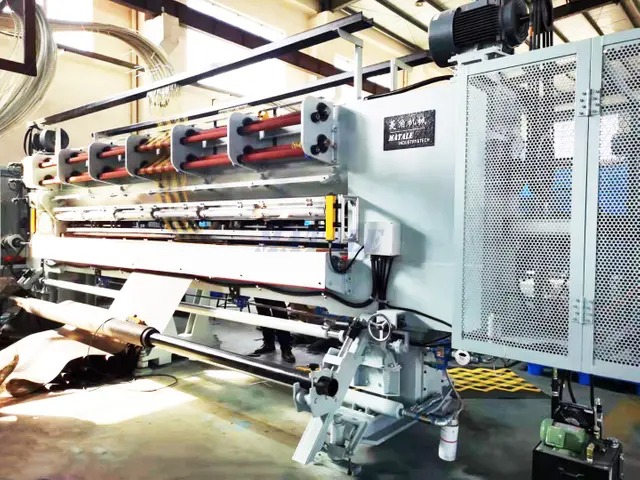
When shopping for a Cut Mending Gun, you shouldn't just buy the cheapest option. Because mending requires high precision, the internal build quality of the tool dictates how well it performs on delicate fabrics. You need a balance of power and control to ensure the repair blends seamlessly with the original tufts.
A High speed motor is beneficial, but only if it is controllable. Look for a Cut Mending Gun that offers variable speed triggers. When you are mending, you often need to move slowly to align the new stitches with the old ones. An Automatic feeding system that syncs with the motor speed ensures the yarn doesn't bunch up or bird-nest inside the mechanism.
Since mending often requires holding the gun at odd angles to reach specific patches, weight matters. A Portable, lightweight design reduces hand fatigue. Most Professional models weigh between 1.2kg and 1.5kg. Anything heavier makes it difficult to maintain the steady hand required for fine detail work.
| Feature | Importance | What to Look For |
| Motor Type | High | Brushless for longevity and High speed |
| Weight | Very High | Under 1.5kg for Portable use |
| Yarn Compatibility | Medium | Ability to handle wool, acrylic, and blends |
| Cutting Blade | Critical | Professional grade steel for clean cuts |
Understanding the internal workings of your Cut Mending Gun will help you maintain it and use it more effectively. Unlike loop-pile mending tools, the "cut" version features a small pair of scissors that snip the yarn as it is pushed through the cloth.
As the needle pierces the backing, the Automatic scissor follows closely behind. It cuts the yarn at a specific height, usually adjustable between 7mm and 18mm. This height must match your primary tufting gun perfectly. If the Cut Mending Gun is set too high, the repaired patch will stick out like a sore thumb. If too low, it creates a "crater" in your rug pile.
The needle on a Professional Cut Mending Gun is typically thinner than a standard gun to minimize the hole size in the backing fabric. However, this means you must maintain high tension on your tufting frame. If the cloth is saggy, the mending gun won't be able to pierce it cleanly, leading to skipped stitches and potential tears in your textile base.
While some artists prefer manual punch needles for repairs, the Automatic Cut Mending Gun offers several distinct advantages that make it superior for high-output studios.
An Automatic tool can fill a one-inch gap in seconds. A manual needle takes minutes and often lacks the consistent "pop" and height of a machine-driven stitch. If you are producing rugs for clients, time is money. A High speed mending tool pays for itself by shortening the finishing stage of production.
The biggest struggle with manual mending is achieving the same density as the machine-tufted areas. Because the Cut Mending Gun uses the same mechanical force as your primary gun, the repaired area becomes indistinguishable from the rest of the rug. This "Expert Insight" is what separates top-tier textile artists from beginners.
Automatic: Constant speed, perfect height, less physical strain.
Manual: Slower, variable height, high physical effort but lower cost.
A Cut Mending Gun is a precision instrument with many moving parts. Without proper care, the High speed vibrations can loosen screws or dull the blades, leading to poor performance on your textile projects.
We cannot overstate the importance of oil. The moving bars and the scissor joint need a drop of sewing machine oil every 2-4 hours of use. This reduces friction and prevents the motor from overheating. If you hear a high-pitched squeal, stop immediately and lubricate the tool.
The scissor is the most used part of the Cut Mending Gun. Over time, it will struggle to cut through tough yarns like wool. Most Professional guns allow you to remove and sharpen the blade. However, keeping a spare set of blades is a standard practice for serious textile workers to avoid downtime during a project.
Working with High speed needles and blades requires respect for the machinery. A Cut Mending Gun can be dangerous if handled carelessly, especially when working on the intricate "finish" stage of a rug.
Always keep your non-dominant hand away from the back of the fabric while mending. It is tempting to feel the density from the other side, but the needle moves faster than your reflexes. Stand with your feet shoulder-width apart to ensure a stable base, allowing you to move the Portable tool smoothly across the frame.
If the yarn gets caught, don't force the trigger. This can burn out the Automatic motor. Turn off the power, use a pair of tweezers to clear the jam, and check if the yarn is feeding freely from the cone. Often, the issue is simply that the yarn is too thick for the Cut Mending Gun's needle eye.
If you accidentally tear the backing while mending, don't panic. You can use a small piece of scrap backing and textile glue to patch the hole from the back. Once dry, you can tuft carefully over the patch using a lower speed setting on your Professional gun.
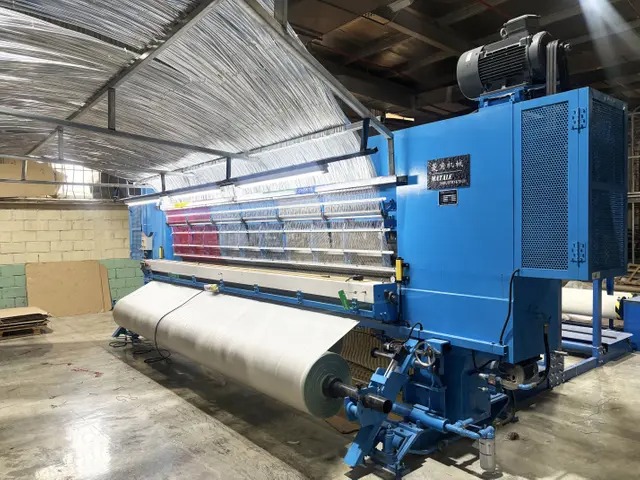
The performance of your Cut Mending Gun depends heavily on the "fuel" you give it. Not all yarns are created equal, and some can actually damage the High speed components of your tool.
Wool is the gold standard for Professional rugs, but it can be abrasive. If you use high-friction yarns, you must lubricate your Cut Mending Gun more frequently. Acrylic is much softer and easier for the scissors to cut, making it a great choice for beginners practicing their mending techniques.
Most mending guns are designed for "bulky" or "worsted" weight yarn. If the yarn is too thin, it won't stay in the backing. If it is too thick, it will jam the Automatic feed. We recommend testing a small strand through the needle eye before starting a repair. It should slide through with very little resistance.
For many, a Cut Mending Gun feels like an "extra" expense. However, if you analyze the cost of a ruined rug, the value becomes clear. A high-quality tufted rug can sell for $200 to $1,000. If a single mistake makes that rug unsellable, the tool pays for itself in just one use.
In a Professional setting, quality control is everything. Being able to offer a flawless product is a competitive advantage. The Portable nature of these guns also means they can be used for "on-site" repairs if a client's rug suffers minor damage after delivery, which is an excellent value-add service for your business.
Investing in a High speed, well-built gun ensures you won't be replacing it every six months. Cheaper "knock-off" models often have plastic gears that melt under the heat of continuous Automatic use. Choosing a reputable brand within the textile machinery industry is a smarter financial move in the long run.
Mastering the Cut Mending Gun is the final step in becoming a complete tufting artist. It gives you the power to fix mistakes, add incredible detail, and ensure every textile piece you create is a work of art. By focusing on a Professional, Portable, and High speed model, you equip yourself with the tools necessary for success in the growing world of rug making. Remember to prioritize maintenance, choose the right materials, and always tuft with safety in mind.
Q1: Can I use a cut mending gun on a loop pile rug?
No, a Cut Mending Gun is designed to create cut pile. Using it on a loop pile rug will create a textural mismatch. For loop pile repairs, you should use a specific loop mending tool or a manual punch needle.
Q2: How do I know if the scissors on my gun are dull?
If you notice the yarn is "chewed" or frayed instead of cleanly snipped, or if the gun keeps pushing the yarn through without cutting it, the blades are likely dull or misaligned.
Q3: Is a Cut Mending Gun easy for beginners to learn?
Yes, it is very Portable and easier to handle than a full-sized tufting gun. However, it requires a steady hand and a good eye for detail to ensure the repairs blend perfectly.
At our company, we operate a massive, state-of-the-art manufacturing facility specializing in high-end textile equipment. We don't just assemble parts; we engineer solutions. Our factory is equipped with the latest precision testing tools to ensure every Cut Mending Gun that leaves our floor is capable of High speed performance without sacrificing accuracy.
Our strength lies in our deep industry experience and our commitment to the B2B sector. We understand that our clients require Professional tools that are Portable, Durable, and reliable under the pressure of production deadlines. By controlling the entire manufacturing process—from design to final quality check—we ensure that our equipment meets the rigorous standards of global textile artists. When you choose our tools, you are choosing the backing of a factory that stands for innovation and excellence in every stitch.