- All
- Product Name
- Product Keyword
- Product Model
- Product Summary
- Product Description
- Multi Field Search


Views: 316 Author: Site Editor Publish Time: 2026-03-28 Origin: Site


Achieving a flawless, emerald-green lawn is a source of pride for any property owner. However, bald spots, pet damage, and high-traffic wear often create unsightly gaps. Enter the Grass Mending Gun, a revolutionary tool designed to transform how we repair turf. Unlike traditional hand-seeding, which is often uneven and slow, this Professional equipment allows for targeted, efficient restoration.
Mastering this device requires more than just pulling a trigger. It involves understanding the synergy between the machine’s mechanics and the biological needs of the turf. In this guide, we provide five expert tips to help you maximize your Grass Mending Gun. Whether you are using a Portable electric model for home use or a High precision industrial unit, these insights will ensure seamless growth and a resilient, uniform finish every single time.
The first step to mastery is realizing that one setting does not fit all. Your Grass Mending Gun likely features an Adjustable flow rate. This is critical because the density of your soil and the size of your grass seeds vary significantly. For instance, tiny Kentucky Bluegrass seeds require a different discharge pressure than larger Fescue seeds.
If your soil is hard-packed clay, you need a higher pressure setting to ensure the seed-slurry penetrates the surface. Conversely, for loose, sandy soil, a lower setting prevents the seeds from being buried too deep, which would stifle germination. A High precision tool allows you to fine-tune these variables. Always perform a small test patch before tackling the entire lawn. This "Expert Insight" prevents seed waste and ensures the "Seamless Growth" promised in our title.
Most Grass Mending Gun units use a mixture of seed, mulch, and fertilizer. The viscosity of this mix affects how the Portable electric motor performs. If the mix is too thick, it clogs the nozzle; if it is too thin, the seeds won't stay in place. We recommend a 3:1 ratio of water to solids for optimal flow. Using a Professional grade tackifier (a natural glue) within the mix can further stabilize the seeds on sloped areas.
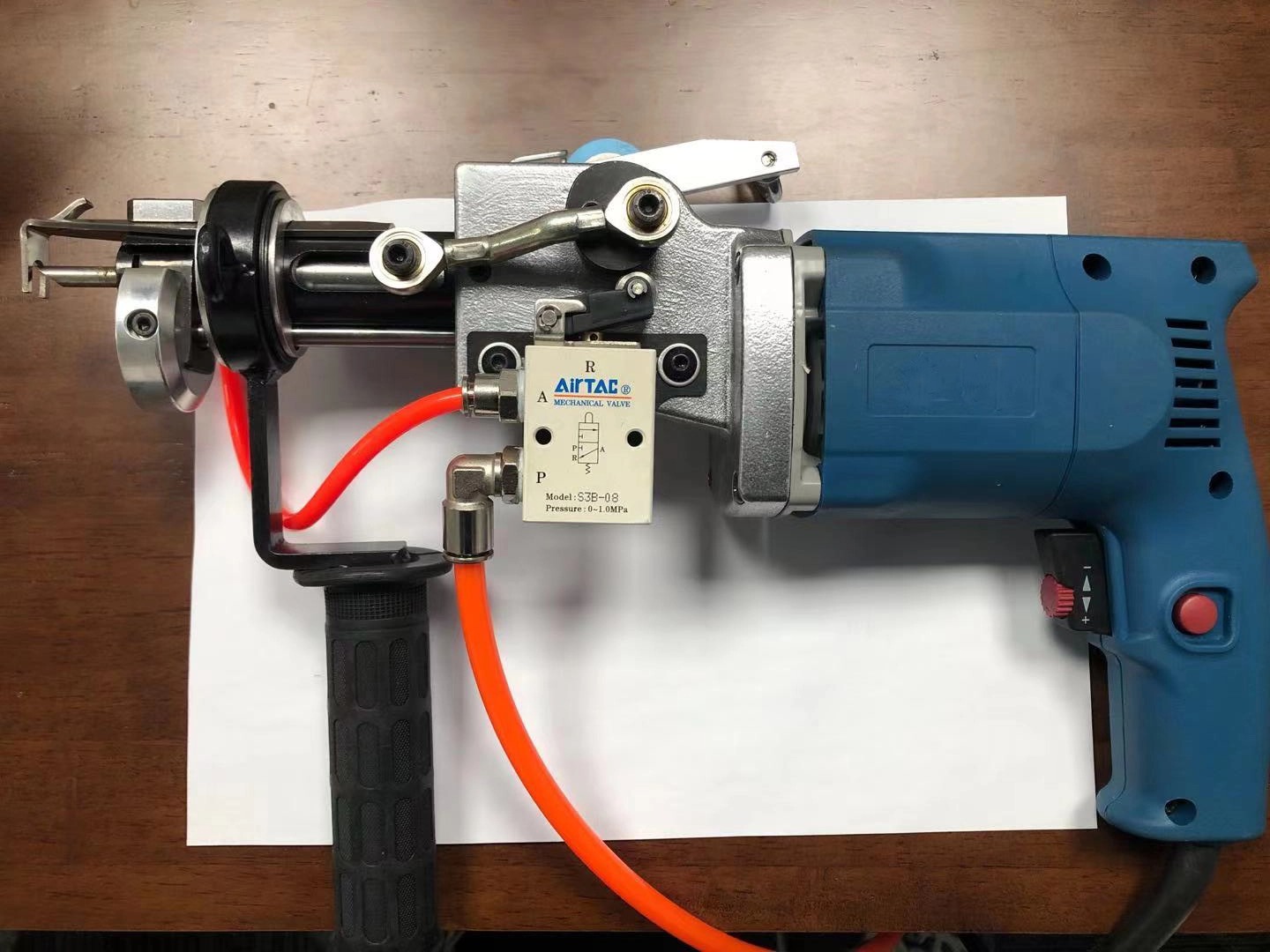
Large-scale lawn repair can be physically demanding. Fatigue often leads to shaky hands and uneven patches. An Ergonomic approach to using your Grass Mending Gun is not just about comfort; it is about the quality of the final result. If the tool feels balanced in your hand, you can maintain a steady pace, which is the secret to a professional-looking lawn.
When operating a Professional Grass Mending Gun, keep your feet shoulder-width apart. Move the nozzle in a "sweeping" motion, similar to spray painting. Avoid staying in one spot for too long, as this creates "clumping," which can lead to fungal growth in the new grass. A Portable electric unit is generally lighter, but it still requires a disciplined "Z-pattern" movement to ensure every square inch of the bald spot is covered.
Modern Grass Mending Gun designs prioritize a low center of gravity. This Ergonomic layout reduces wrist strain. We suggest using a secondary strap if you are working for more than thirty minutes. By reducing physical stress, you maintain the High precision needed to blend the new seeds perfectly with the existing grass edges. This creates the "seamless" transition that distinguishes an amateur job from an expert one.
Even the best Grass Mending Gun cannot overcome poor environmental timing. "Seamless Growth" is heavily dependent on when you choose to deploy your tool. Grass seeds have a narrow window for optimal germination, usually requiring soil temperatures between 55°F and 70°F (13°C to 21°C).
Spring Application: Ideal for cool-season grasses. The natural rainfall helps the Grass Mending Gun slurry settle.
Fall Application: Often considered the "Golden Window" by professionals. The soil is warm from summer, but the air is cool, reducing moisture evaporation.
Avoid Mid-Summer: High heat stresses new sprouts. If you must mend in summer, ensure your Adjustable nozzle is set to a higher moisture output to compensate for the sun.
The slurry applied by your Grass Mending Gun acts as a protective blanket. However, it needs consistent moisture to "activate" the fertilizer and trigger seed growth. We suggest a light misting twice a day for the first ten days. Do not soak the area, as this can wash away the precisely placed seeds. A Professional tip is to check the color of the mulch; if it turns light brown, it is time to water.
A Grass Mending Gun is a significant investment in your property. Like any High precision instrument, it requires regular maintenance to prevent the buildup of dried slurry, which can permanently damage the Portable electric components.
After every use, you must flush the system with clean water. Dried mulch and tackifier act like concrete inside the internal valves. If these parts become "crusted," the Adjustable features will seize up. We recommend using a soft-bristled brush to clean the exterior of the nozzle to ensure the spray pattern remains consistent.
If you own a Portable electric Grass Mending Gun, the battery is its lifeblood. Never store the battery at 0% or 100% for long periods. Ideally, keep it at 50% charge in a cool, dry place. Extreme cold can kill the lithium cells, while extreme heat can cause them to swell.
Check the hoses for kinks and the seals for leaks. Even a small leak reduces the pressure of the Grass Mending Gun, leading to a "sputtering" spray that ruins the seamless look. Replacing a $5 O-ring once a year is much cheaper than replacing a Professional motor.
| Maintenance Task | Frequency | Benefit |
| Water Flush | After every use | Prevents clogs and motor strain |
| Nozzle Brushing | Weekly during use | Maintains High precision spray |
| O-Ring Lubrication | Every 3 months | Prevents leaks and pressure loss |
| Battery Calibration | Once a season | Extends Portable electric life |
The final tip for mastering your Grass Mending Gun is to treat the tool as a delivery system for soil health, not just a seed spreader. The most successful "Seamless Growth" projects involve adding bio-stimulants or liquid aeration products directly into the gun's tank.
Most soils in damaged areas are depleted. By adding a liquid humic acid or seaweed extract to your Grass Mending Gun mix, you improve the soil's "Cation Exchange Capacity" (CEC). This allows the new grass roots to absorb nutrients more efficiently. This is especially useful for Professional landscapers who need fast, visible results for their clients.
Did you know you can "prime" your seeds? By soaking the grass seeds in the water-slurry for 12 hours before using the Grass Mending Gun, you can shave 3–4 days off the germination time. This is a "High precision" tactic used on golf courses to repair divots overnight.
In some cases, you might want to include a growth regulator that slows the vertical growth of existing grass while favoring the root development of the new seeds. This ensures that the old grass doesn't "shade out" the new sprouts before they have a chance to establish themselves. When using these chemicals, the Adjustable dial on your gun becomes your best friend, allowing for exact dosage.
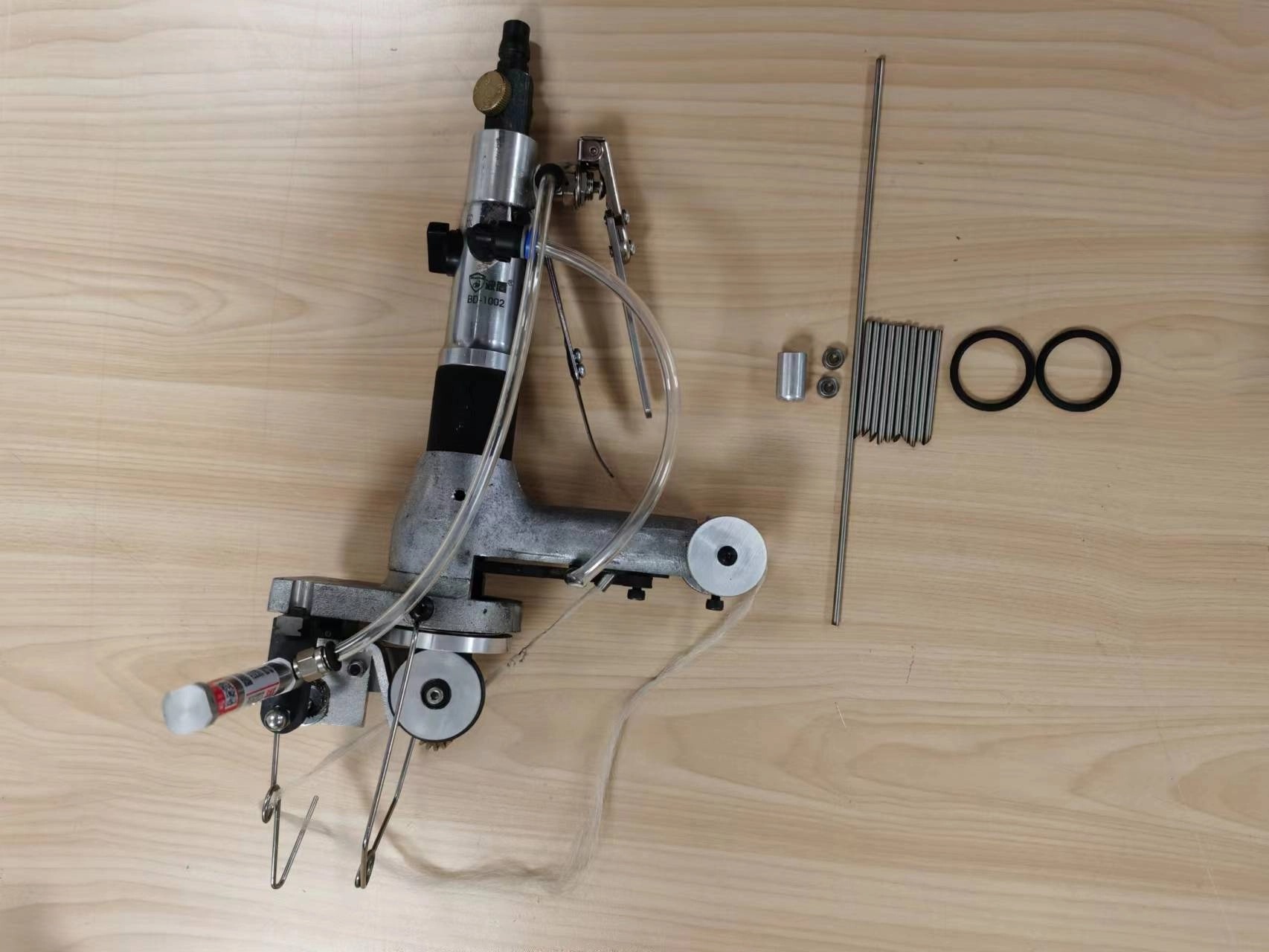
Even with a Professional Grass Mending Gun, you might encounter hurdles. Understanding how to solve these quickly ensures your project stays on track for that perfect, seamless finish.
If your grass grows in clumps, it usually means your movement with the Grass Mending Gun was too slow, or the slurry was too thick. To fix this, lightly rake the clumps to spread the seedlings and apply a small amount of extra seed with a lighter pressure setting.
If the Portable electric motor is running but nothing is coming out, there is likely a stone or a large piece of mulch stuck in the intake. Turn off the power immediately. Most High precision guns have a "quick-release" nozzle. Pop it off, clear the obstruction, and resume. Never force the trigger if the motor sounds strained, as this can burn out the circuit board.
To truly master the tool, we must understand its superiority over traditional methods. This helps us lean into its strengths.
Efficiency: A Grass Mending Gun covers 5x more area than hand-seeding in the same amount of time.
Accuracy: The High precision spray avoids "overspray" on flower beds or sidewalks.
Safety: The Ergonomic design prevents the back pain associated with bending over to spread peat moss and seed.
Success Rate: Because the slurry keeps the seed in contact with moisture, the survival rate of the seeds is significantly higher.
Safety is a core part of being a Professional. While a Grass Mending Gun is generally safe, it does involve pressurized liquids and electrical components.
Eye Protection: Slurry can splash back, especially when working near edges or walls.
Footwear: Wear non-slip boots; the mulch-water mix can make the grass very slippery.
Electrical Safety: If using a corded model, always use a GFCI outlet to prevent shocks in wet conditions. For Portable electric models, ensure the battery compartment is fully sealed before use.
Mastering your Grass Mending Gun is the key to unlocking a perfect lawn. By focusing on calibration, Ergonomic handling, seasonal timing, and proactive maintenance, you move beyond simple repairs into the realm of professional turf management. The "Seamless Growth" you desire is a result of the High precision provided by the tool and the expert application of these five tips. Whether you are a weekend warrior with a Portable electric unit or a Professional landscaper, these strategies will ensure your lawn remains a lush, uniform masterpiece.
Q1: Can I use any grass seed in my Grass Mending Gun?
Yes, but you must adjust the Adjustable nozzle to match the seed size. Larger seeds may require a wider spray tip to prevent clogs.
Q2: How long does it take for grass to grow after using the gun?
Typically, you will see sprouts in 7 to 14 days, depending on the grass type and weather. Using the "priming" tip mentioned above can speed this up.
Q3: Is the slurry safe for pets?
Most Professional slurries are made of paper, wood fiber, and organic fertilizer. However, always check the labels of any added fertilizers or bio-stimulants to ensure they are pet-friendly.
As we have explored, the quality of your equipment dictates the quality of your lawn. We take great pride in our heritage as a premier manufacturer of high-performance textile and landscaping machinery. Our factory is a hub of innovation, where we utilize advanced engineering to develop the Grass Mending Gun technology that powers both residential and industrial turf restoration. We don't just assemble parts; we craft Professional tools with High precision and Ergonomic designs that have been tested in the most demanding environments.
Our strength lies in our deep integration with the B2B sector and our commitment to durability. We operate multiple production lines equipped with the latest CNC and automated assembly technology, ensuring that every Portable electric unit meets our rigorous standards. When you choose our products, you are partnering with a company that understands the balance between mechanical power and user comfort. We are dedicated to providing the global market with reliable, high-efficiency tools that make "Seamless Growth" an achievable reality for everyone.