- All
- Product Name
- Product Keyword
- Product Model
- Product Summary
- Product Description
- Multi Field Search


Views: 0 Author: Site Editor Publish Time: 2026-06-29 Origin: Site


Carpet manufacturers constantly face a frustrating production bottleneck. You want to deliver high-resolution carpet patterning. However, you also must maintain strict manufacturing efficiency. Balancing these two demands is rarely simple. Traditional piece-dyeing or printing methods frequently fall short. They lack the structural integrity of genuine tufted designs. Furthermore, printed colors often fade rapidly under heavy foot traffic. True multi-color tufted carpets offer superior aesthetic depth and unmatched durability.
This article provides an objective, engineering-focused evaluation of this advanced machinery. We will explore whether upgrading aligns directly with your production goals. You will learn about core applications, technical evaluation criteria, and harsh operational realities. We skip the sales pitches to focus entirely on mechanical performance and software integration. Our goal is to help you finalize your product roadmap confidently. Let us dive into the specifics of modern tufting capabilities.
Application Scope: M-color tufting machines are optimal for high-traffic hospitality, commercial contract flooring, and premium bespoke area rugs requiring complex, fade-resistant patterning.
Operational Trade-offs: While they drastically reduce secondary processing (like printing), they demand stricter yarn tension management and longer initial setup/threading times.
Evaluation Metrics: Procurement decisions should prioritize Individual Yarn Control (IYC) software compatibility, servo-motor precision, and native gauge flexibility over sheer theoretical running speed.
Risk Mitigation: Successful adoption requires upfront investment in operator training for pattern software and multi-creel yarn management.
Defining your current production gap is the first critical step. Standard single-needle setups severely limit your scale. Limited-creel systems struggle immensely when you add more colors to a design. You face constant constraints when trying to scale complex, multi-colored portfolios. Single-color base running followed by printing creates secondary bottlenecks. Upgrading shifts this complexity entirely to the primary tufting phase. You eliminate entire steps from your factory floor.
Let us analyze the cost versus throughput realistically. Manual yarn changeovers destroy daily productivity. Operators spend hours threading machines for small custom batches. In contrast, automated systems run continuously. Implementing a dedicated patterned carpet machine drastically improves your daily yardage. It replaces manual labor variables with software-driven precision. Continuous automated running easily offsets the longer initial setup times for complex creels.
Next, consider end-product valuation in the premium market. Customers gladly pay more for yarn-dyed, tufted-in patterns. These carpets resist physical wear far better than printed alternatives. Their colorfastness remains superior over decades of heavy use. Hospitality clients actively demand this specific longevity. You can position your products at a higher price tier. The inherent structural quality speaks for itself during client presentations.
You must define clear success criteria before buying equipment. Look closely at your minimum monthly yardage requirements. Measure your current patterned output accurately. Calculate the expected reduction in post-processing steps. If you eliminate secondary printing entirely, you save massive floor space and time. These specific metrics determine if the operational shift makes logical sense for your facility.
Production Method | Setup Complexity | Secondary Processing | End-Product Durability |
|---|---|---|---|
Standard Tuft + Print | Low (Single Yarn) | High (Dyeing/Printing) | Moderate (Color sits on surface) |
Manual Multi-Creel | Extremely High | None | High (Tufted-in color) |
Automated M-Color | Moderate to High | None | Premium (High precision & fastness) |
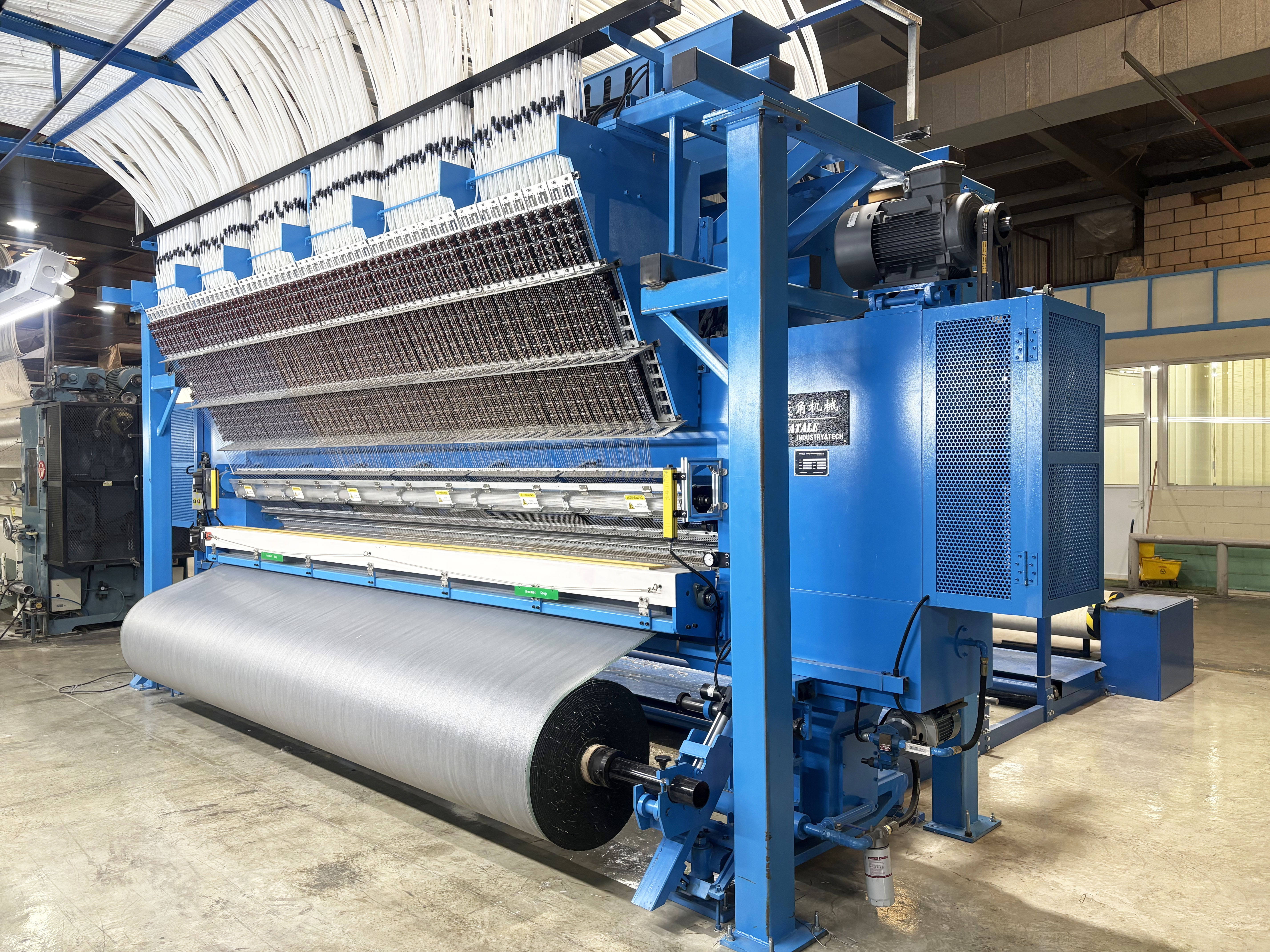
Hospitality and casino flooring require large-scale, intricate repeats. High-density carpets must survive constant foot traffic without losing visual impact. Advanced systems handle complex, non-linear geometric patterns perfectly. They easily execute organic, flowing designs spanning wide corridors. Traditional machines simply cannot match this design flexibility. Casinos specifically demand vibrant, fade-resistant colors tightly packed into complex topographies.
Premium commercial and contract tiles also benefit immensely. Modular carpet tiles need absolute seamless pattern matching. The edges must align perfectly across massive corporate rooms. You achieve this precision through advanced digital yarn control. Misaligned patterns ruin the aesthetic of modular flooring instantly. Upgraded tufting technology guarantees the stitch consistency required for perfect tile cutting and installation.
High-end bespoke area rugs present entirely different challenges. You need maximum flexibility for shorter production runs. Highly customized batches normally cause prohibitive machine downtime. Advanced tufting systems solve this problem beautifully. You switch designs digitally rather than mechanically altering the needle bar. This digital agility allows you to accept lucrative custom orders without disrupting mainline production.
Textural variations add another critical layer of value. You can integrate multi-color systems alongside modern loop tufting equipment. This integration creates stunning multi-level topographies. You easily combine high-cut and low-loop textures within a single pass. The resulting multi-color, multi-texture surfaces command top market prices globally. Designers love the tactile depth these machines produce naturally.
Casinos & Hotels: Delivers wall-to-wall complex organic patterns without visual breaks.
Corporate Offices: Ensures exact edge-matching for high-end modular tile installations.
Luxury Residential: Allows rapid switching between highly customized, short-run area rug designs.
Acoustic Spaces: Thicker, multi-level tufted designs naturally improve room sound absorption.
Yarn feed control systems dictate your overall success. We must evaluate mechanical versus electronic servo-driven feeds objectively. Electronic servos win consistently in complex pattern environments. Individual Yarn Control (IYC) manages each thread precisely via software commands. It dictates exact pattern resolution across the entire machine span. IYC also dramatically reduces expensive yarn waste by feeding only what the needle requires.
Gauge and needle configurations matter greatly for product development. Standard options typically include 1/10, 1/8, and 5/64 gauges. These numbers define the needle density across the bar. They directly dictate your maximum viable color complexity per square inch. A tighter gauge allows finer design details but requires thinner yarn. You must match the gauge directly to your target market's aesthetic expectations.
Software and digital integration bridges the critical gap between concept and reality. Your CAD design files must translate perfectly to machine execution. Look for operating systems accepting non-proprietary file formats. Real-time pattern simulation prevents costly production errors. You can visualize the exact outcome on a screen before tufting begins. This digital bridge eliminates trial-and-error prototyping almost entirely.
Structural integrity keeps everything running smoothly under load. You must evaluate the main frame vibration at peak RPMs. Heavy vibration destroys stitch consistency immediately. Complex multi-color transitions require absolute mechanical stability. A rigid frame ensures perfect precision during high-speed, continuous runs. When investing in an M-color tufting machine, cast iron frames generally outperform lighter alloys in vibration dampening.
Demand a live demonstration of Individual Yarn Control (IYC) handling rapid color shifts.
Verify software compatibility with your existing design team's CAD export files.
Inspect the physical weight and cast construction of the machine frame.
Confirm the exact gauge tolerances using your facility's preferred yarn weights.
Let us look at setup times with complete transparency. The threading bottleneck is an undeniable reality. Managing multi-color creels takes significant physical effort. You often handle hundreds of yarn ends simultaneously. Operators must stage the creels meticulously before hitting start. Careful upfront planning prevents disastrous cross-threading mid-run. You trade faster running speeds for longer, more complex initial setups.
Tension calibration adds another significant daily hurdle. You frequently run multiple yarn types simultaneously. Different dye lots behave uniquely under mechanical tension. Uneven tension across the creel causes missed stitches. Sometimes it buries intended colors beneath the pile surface entirely. Operators must master nuanced tension adjustments for varying yarn elasticity.
Maintenance overhead increases significantly with complexity. You deal with substantially more moving parts daily. Multiple electronic feed rollers require frequent dust cleaning. Complex looper timings need constant, precise verification. You must enforce stricter preventative maintenance schedules immediately. Neglecting daily cleaning leads to catastrophic, expensive machine failure and severe production delays.
Finally, consider the inevitable skill gap on your floor. Your operators face a major professional transition. They move away from purely mechanical oversight. They must learn basic software troubleshooting and digital file management. Digital pattern alignment becomes a daily mandatory task. Proper technical training is absolutely non-negotiable for successful rollout.
Rushing the Creel Setup: Skipping proper tube alignment leads to massive yarn tangles.
Ignoring Tension Differences: Treating wool and BCF nylon with the same tension settings ruins the pattern.
Skipping Software Training: Expecting mechanical operators to intuitively grasp CAD simulation software fails consistently.
Neglecting Dust Extraction: Allowing lint to build up around servo motors causes overheating and sensor failure.
Look far beyond glossy marketing specifications and brochures. You need a demonstrable track record of success. Demand concrete case studies from real, high-volume production floors. Ensure the machines run similar yarn types successfully. Extruded BCF nylon behaves vastly differently than spun natural wool. Ask the vendor for proof of sustained production stability over multiple shifts.
Evaluate parts availability thoroughly before signing any contracts. A patterned carpet machine acts as a critical path asset. If it stops, your entire finishing line halts entirely. Review the vendor's domestic parts inventory carefully. Demand strict Service Level Agreements (SLAs) in writing. Check their average response time for replacing proprietary electronic control components.
Mandate a physical sample run verification. Never buy solely based on theoretical maximum RPMs. Send your facility's specific yarn directly to the vendor. Provide a benchmark complex pattern from your current catalog. Measure the actual running speed during the live test. Theoretical speeds rarely match the reality of executing highly intricate, high-density designs.
Advise your engineering team on immediate next steps. Audit your current design portfolio comprehensively today. Calculate your exact color-position requirements per square yard. Know your precise production needs before requesting vendor quotes. Utilizing advanced multi color carpet tufting technology transforms your business trajectory. Prepare your facility thoroughly to reap the maximum rewards.
Evaluation Category | What to Look For | Red Flags to Avoid |
|---|---|---|
Vendor Track Record | Case studies matching your specific yarn types. | Refusal to provide references from active factories. |
Service & Support | Guaranteed SLAs and local parts inventory. | All proprietary electronics ship from overseas. |
Performance Testing | Live test using your benchmark design files. | Relying strictly on "max RPM" marketing claims. |
M-color tufting machinery fundamentally shifts your production complexity. You move difficulty away from the secondary dyeing phase directly into the primary tufting phase. This strategic shift yields a significantly more durable product. You deliver premium, fade-resistant carpets to highly demanding clients. Upgrading positions your facility to capture higher-margin commercial and hospitality contracts.
Remember that mechanical capabilities only solve half the operational puzzle. Successful integration depends heavily on your team's adaptability. Software proficiency matters immensely in daily operations. Proper multi-creel management dictates your actual monthly throughput. You must invest in human capital alongside the machinery to realize true efficiency gains.
Take decisive action to secure your manufacturing future. Contact an independent engineering consultant today. Request a comparative specification sheet from top equipment vendors. Align the machine capabilities directly with your unique production targets. Build a smarter, more agile, and highly efficient manufacturing floor starting now.
A: The active color count depends on the specific machine's needle bar design and software limits. While a total creel might hold thousands of cones, simultaneous needle delivery typically ranges from 4 to 12 distinct colors per stitch zone. Always verify the actual active delivery capacity, not just the creel storage size.
A: Yes, many advanced models offer cut and loop combinations. However, this requires specific mechanical configurations, including dual-purpose loopers and integrated cutting knives. The machine must independently control yarn tension to alternate pile heights successfully while managing multi-color transitions.
A: Modern tufting software accepts standard raster image files like BMP or TIFF. Proprietary vendor extensions usually convert these standard pixels into mechanical stitch commands. The software maps specific image colors directly to individual yarn feed servos, allowing designers to work in familiar CAD environments.
A: Yes, highly complex Individual Yarn Control (IYC) movements typically run at lower maximum RPMs than simple, single-color broadloom machines. However, because tufting-in patterns eliminates the need for secondary printing or piece-dyeing, the overall factory floor throughput time from yarn to finished carpet often decreases significantly.