- All
- Product Name
- Product Keyword
- Product Model
- Product Summary
- Product Description
- Multi Field Search


Views: 0 Author: Site Editor Publish Time: 2026-06-14 Origin: Site


Investing in a carpet production tool requires more than just looking at the price tag. You must understand the intense mechanical stresses the equipment will endure daily. Buyers often purchase equipment based on surface-level specifications alone. This oversight leads to frequent yarn jams, torn backing cloth, or motor burnout during critical production runs. These preventable failures ruin expensive materials and stall manufacturing timelines. Understanding exactly how these machines operate structurally is essential. It is the most reliable way to evaluate build quality. It helps you assess ongoing maintenance requirements effectively. It also empowers you to choose the right tool for your specific production scale. By examining the internal mechanisms, you make informed choices. You move beyond basic specs and focus on durability. We will explore the piercing phase, gear mechanics, and essential purchasing criteria to guide your decision.
A carpet tufting machine operates by driving yarn through a primary backing cloth at high speeds, using either a specialized scissor mechanism (cut) or a continuous feed (loop).
Choosing between a cut tufting machine and a loop tufting machine dictates not only the final rug texture but also the ongoing maintenance schedule.
Key purchasing criteria include motor RPM adjustability, gear material durability, and the ease of pile height calibration.
Long-term success relies heavily on aftermarket parts availability, specifically for wearable components like scissors and needles.
To master carpet production, you must first understand the mechanical sequence. A standard carpet tufting machine performs hundreds of precise actions per minute. Each cycle involves perfect synchronization between the needle, the yarn, and the driving gears. Let us break down this intricate process.
The sequence begins when you press the trigger. The equipment uses a specialized hollow needle. This needle aggressively punches yarn through the tightly stretched primary backing fabric. Needle design dictates overall performance. Polished steel needles minimize friction during high-speed entry. They pierce the fabric cleanly. Cheaper needles often possess micro-burrs. These burrs catch delicate threads, causing immediate yarn breakage or fabric fraying.
Simultaneously, a motorized gear system engages. It drives the needle forward. It also feeds a precise length of yarn from your cone. The tensioning system must remain perfectly calibrated here. If the feed runs too tight, the needle snaps the yarn. If it runs too loose, stitches drop. High-quality devices utilize robust internal gearing to maintain consistent torque. This ensures the feed never stutters, even when pulling thick wool.
After reaching maximum depth, the needle retracts quickly. As it pulls back, the mechanical "foot" pushes firmly against the primary fabric. This opposing force prevents the backing from lifting. It also creates a natural forward momentum. This allows you to glide along a continuous line effortlessly. The harmony between needle retraction and foot pressure creates uniform stitches.
Understanding this sequence transforms how you evaluate potential purchases. You realize why internal components dictate lifespan. Machines using cheap plastic gears fail quickly. They cannot handle the tension of thicker wool yarns. Consistent motor torque is absolutely non-negotiable. Metal-on-metal gearing provides the necessary strength to sustain long production runs. Recognizing these mechanical realities helps you avoid unreliable equipment.
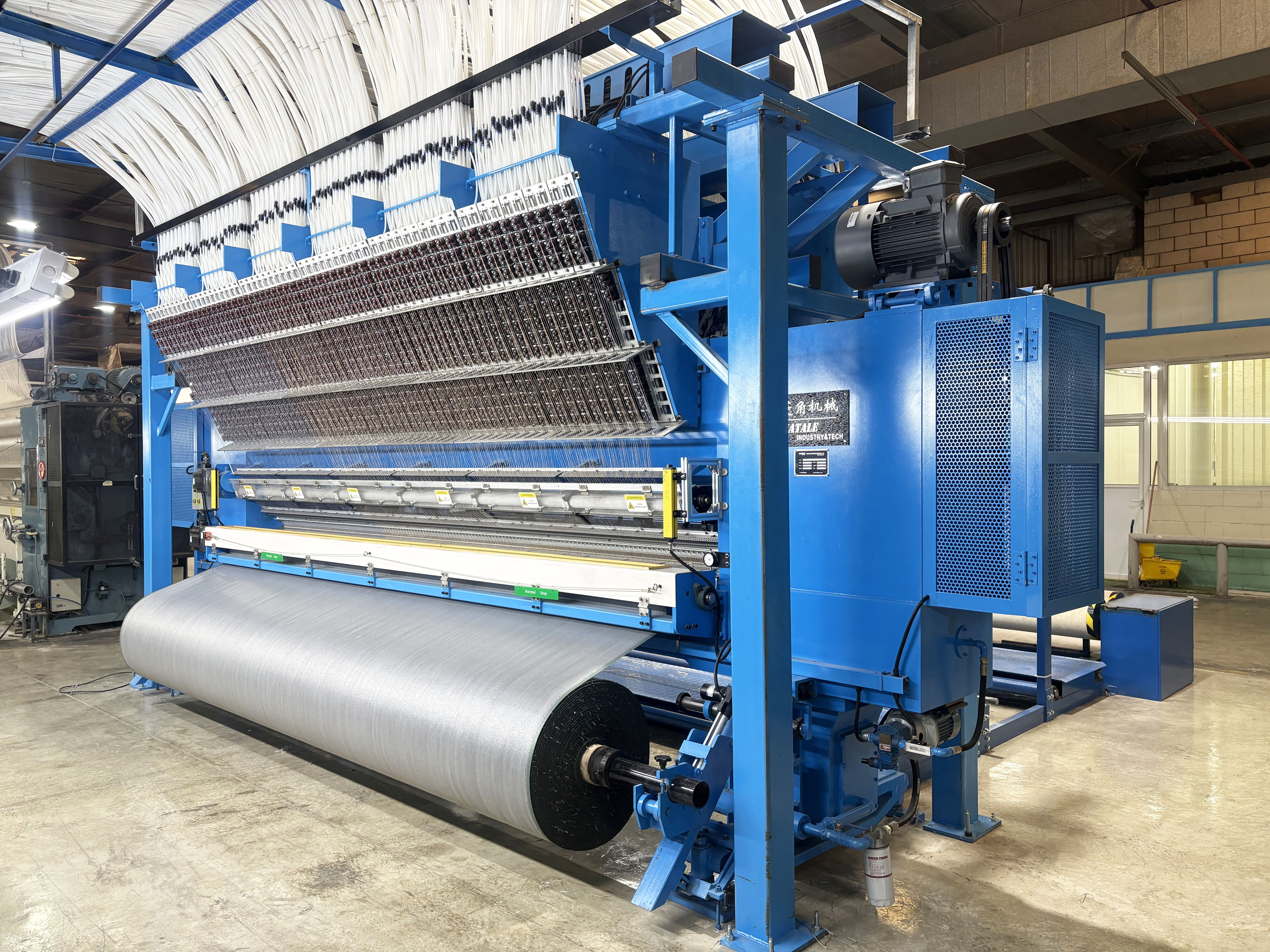
Selecting the correct operating style is your most critical choice. The distinction defines your rug's texture. It also determines your daily maintenance routine. Let us compare the primary options available.
A dedicated cut tufting machine creates a plush, shaggy finish. It features a built-in mechanical scissor. This scissor snips the yarn immediately after pushing it through the cloth. The result is a soft, upright pile.
Evaluation Note: Scissors represent the primary point of mechanical failure. They endure constant friction. Buyers must check component availability. Are replacement blades standard-sized? Can you source them locally? Dull blades chew yarn instead of cutting it cleanly. This ruins your fabric backing. Plan to sharpen or replace these blades regularly.
A dedicated loop tufting machine provides a completely different finish. It lacks the scissor mechanism entirely. Instead, it leaves the yarn as a continuous, unbroken loop on the front side of your fabric. This creates a highly durable, nubby texture.
Evaluation Note: This style generally requires much less maintenance. It contains fewer moving parts. You never worry about dulling scissors. This makes it a highly reliable choice for high-traffic commercial rug production. The looped texture withstands heavy foot traffic exceptionally well.
Some models offer both capabilities in a single unit. They allow operators to manually swap the scissor head for a looper head. You gain incredible versatility. You can mix textures on a single rug.
Skeptical Consideration: While versatile, these units present specific challenges. Frequent recalibration of the needle and scissor timing becomes necessary. This complex adjustment often leads to user error. Misalignments cause significant machine downtime. We consider 2-in-1 models best suited for small studios. High-volume commercial runs typically require dedicated single-function tools for maximum uptime.
Feature | Cut Pile | Loop Pile | Dual-Function (2-in-1) |
|---|---|---|---|
Texture Finish | Plush, fluffy, shaggy | Dense, durable, nubby | Variable (operator selected) |
Moving Parts | High (includes internal scissors) | Low (no scissors) | Highest (swappable heads) |
Maintenance Level | Moderate to High | Low | High (requires recalibration) |
Best Application | Custom art rugs, wall pieces | Commercial floors, high traffic | Small studios, mixed media |
Once you choose your pile style, you must evaluate specific hardware features. Finding the perfect tufting machine for carpets requires analyzing several mechanical traits. Do not settle for impressive marketing language. Inspect these four structural elements.
Motor strength dictates your production speed. Look for variable speed dials. The ability to lower the stitches-per-second (RPM) proves critical for intricate detailing. Slow speeds help you trace curved lines accurately. Conversely, high speeds remain necessary for filling large backgrounds efficiently. Check the motor housing. Metal housings dissipate heat better than plastic ones. Superior heat dissipation prevents mid-project burnout.
Rugs require different pile heights depending on client requests. Assess how difficult it is to change this setting. Machines requiring you to disassemble the main gear housing create severe workflow bottlenecks. You lose hours of production time. Look for models featuring accessible adjustment bolts. Quick-adjust mechanisms allow you to change pile depths in minutes. This keeps your production schedule intact.
Operators hold these tools for hours. Physical design matters immensely. A machine weighing over 3 lbs (1.4 kg) will cause rapid operator fatigue. Your shoulders and wrists bear this burden. Evaluate the handle placement carefully. Optimal designs include 360-degree adjustable front handles. These handles protect wrist health. They let you find the perfect center of gravity.
Industrial tools pose inherent risks. Prioritize safety hardware. Look for enclosed gear housings. Open gears invite yarn entanglement, which causes violent jams. Furthermore, demand verifiable CE certifications or equivalent electrical safety ratings. Uncertified motors pose extreme fire risks from overheating. Safe equipment protects your studio and your physical well-being.
Even premium equipment requires diligent upkeep. You must establish strict maintenance protocols. Ignoring basic servicing guarantees early hardware failure. Let us examine the most common implementation realities.
These devices are intricate metal-on-metal tools. Friction is your greatest enemy. Assess the manufacturer's guidance on lubrication points closely. Quality tools feature designated, easily accessible oiling ports. You must apply sewing machine oil to these points frequently. Equipment lacking accessible ports suffers premature wear. Internal rods and bearings will grind themselves down within months if left unlubricated.
Jams disrupt workflow aggressively. They often happen due to improper yarn tension. If your cone unwinds unevenly, the needle jerks. Burrs on the needle tip also cause snags. High-quality manufacturers use polished steel needles to prevent this issue. When a severe jam occurs, cheap plastic gears strip their teeth. You must stop immediately when you feel resistance. Forcing the trigger during a jam destroys internal gearing.
Nothing frustrates a maker more than ripped backing fabric. Users often blame themselves for applying too much pressure. However, tearing usually represents a symptom of mechanical failure. It points directly to a misaligned scissor or completely dull blades. The needle punches a hole, but the dull scissor yanks the yarn instead of slicing it. This action shreds the canvas. Ensure your chosen model allows for micro-adjustments to the scissor timing.
Daily Oil Checks: Apply a single drop of lubricant to all moving joints before starting your shift.
Tension Testing: Run a test line on scrap fabric every time you change yarn cones.
Blade Inspection: Visually inspect scissor blades for nicks weekly.
Speed Matching: Match your hand movement speed to the motor RPM to avoid stressing the fabric.
Your final selection must match your operational reality. Categorize your needs honestly. Overbuying wastes resources, while underbuying cripples your production capacity. Consider these distinct profiles.
Enthusiasts do not need heavy industrial rigs. Prioritize lightweight, single-function machines. Choose either a dedicated cut or a dedicated loop model. Focus on community support. Popular models feature extensive YouTube tutorials and active Reddit forums. This troubleshooting support proves invaluable. Also, ensure you can purchase replacement parts easily on common e-commerce platforms.
Commercial operations demand relentless reliability. Prioritize heavy-duty motors. Look for modular parts. You must be able to swap broken components yourself. Returning a unit to an overseas manufacturer halts your business for weeks. Demand strict warranty terms. Industrial users should purchase duplicate units to guarantee zero downtime during scheduled maintenance.
Take concrete actions before finalizing your cart. First, verify the seller's return policy thoroughly. Next, ask for a transparent list of replacement part costs. Pay special attention to scissor and motor pricing. Finally, ensure the plug and motor voltage perfectly match your local power supply. Running a 110V motor on a 220V supply causes immediate destruction.
Selecting reliable production equipment requires deep mechanical awareness. You must align the tool's capabilities directly with your desired texture and volume requirements. We explored how internal piercing and feeding mechanisms dictate overall longevity. We compared the differing maintenance demands of cut and loop styles. You now know exactly why ergonomic balance and accessible pile adjustments streamline daily workflows.
Your final action step is clear. Prioritize accessible replacement parts and robust ergonomic design over superficial cosmetic features. Ignore ultra-low pricing if it means sacrificing metal gears or CE safety ratings. A well-maintained, structurally sound tool ensures your creative vision becomes reality without frustrating interruptions.
A: Yes, if it is a 2-in-1 model. However, swapping styles requires mechanical adjustment and precise recalibration of the needle mechanism. We highly recommend dedicated single-function machines for high-volume commercial work to minimize maintenance downtime.
A: This typically happens for three reasons. You might be applying uneven forward pressure. You might be using a slow motor speed while moving your hands too fast. Most commonly, dull scissors fail to cut the yarn cleanly, yanking the threads instead.
A: It depends on usage volume and yarn abrasiveness. Synthetic acrylics dull blades faster than natural wool. Generally, blades require replacement or professional sharpening every 3 to 6 months of active, continuous use.