


Views: 0 Author: Site Editor Publish Time: 2026-10-19 Origin: Site


While guests might first notice the towering chandelier in a grand lobby, the flooring beneath their feet quietly dictates their overall comfort and acoustic experience. This subtle physical interaction directly impacts hotel guest satisfaction. Consequently, hospitality brands require highly durable, visually striking carpets that can withstand relentless daily abuse. Yet, planning this large-scale production presents a complex logistical challenge.
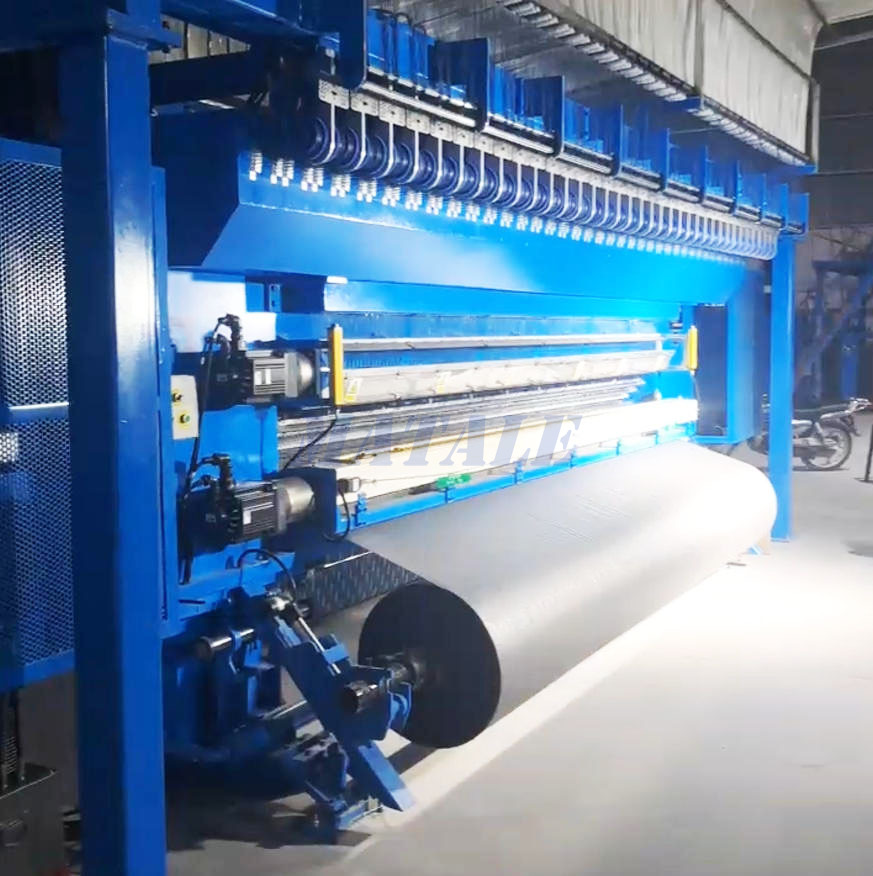
At the heart of solving this manufacturing puzzle is the wall to wall carpet tufting machine, a formidable piece of industrial equipment engineered to handle high-volume, wide-width textile production. In this comprehensive guide, we will explore the critical stages of equipment selection. Beyond simply buying a loom, we dive deep into production planning, capacity optimization, and the technical nuances required to master hospitality flooring from an engineering perspective.
Step onto a factory floor, and the sheer scale of these industrial looms becomes apparent. They do not just weave; they punch continuous yarn into a primary backing at staggering velocities. Hundreds of needles simultaneously push yarn through a backing substrate. Beneath this surface, mechanical loopers catch the fibers to form precise loops. For plush cut-pile finishes, integrated oscillating knives instantly sever these loops with surgical precision. This highly mechanized orchestration allows for the rapid creation of expansive, seamless carpets essential for covering massive commercial spaces.
Imagine the chaotic environment of a hotel corridor. Rolling luggage wheels, heavy housekeeping carts, and constant foot traffic create an abrasive nightmare. The hospitality sector imposes uniquely rigorous demands on flooring materials. Hotel carpets must survive this extreme, continuous abrasion without showing premature signs of wear, matting, or crushing.
Furthermore, these textiles play a critical role in acoustic management. They absorb ambient noise in long, echoing corridors and busy lobbies, ensuring guest comfort. Hotel carpets must also deliver seamless wall-to-wall aesthetics. This requires wide-width manufacturing capabilities to eliminate visible seams that could fray or disrupt the interior design.
Historically, commercial carpet manufacturing was limited to basic, uniform loop piles. While these offered baseline durability, they severely lacked aesthetic sophistication. Over the past few decades, however, manufacturing technology has undergone a radical transformation. Modern iterations now integrate advanced servomotors, computerized yarn feed systems, and dynamically shifting needle bars. This technological leap empowers manufacturers to produce complex, multi-level cut and loop designs. Today, luxury hotels feature highly textured, visually dynamic floors previously only achievable through slow, labor-intensive Axminster weaving.
The bedrock of efficient carpet production lies in a granular assessment of the client architectural blueprints. Different zones within a single resort necessitate entirely different carpet specifications. High-traffic corridors require low-profile, high-density loop piles to accommodate rolling luggage and resist crushing. In contrast, luxury guest rooms prioritize underfoot comfort, calling for higher, plusher cut piles. Ballrooms and event spaces typically demand intricate, large-scale patterns to mask inevitable food stains while providing visual grandeur. Establishing these parameters early dictates the subsequent mechanical setup of your loom.
Industry analysts monitoring hotel renovations report a surging demand for acoustic-first and sustainable flooring. Post-pandemic hospitality spaces increasingly blend leisure with remote work environments. This hybrid usage requires corridors and lobbies to maintain whisper-quiet acoustics, driving the need for denser, higher-face-weight carpets.
Concurrently, major hotel groups are enforcing strict environmental mandates. They now demand flooring made from recycled PET or ECONYL yarns. For manufacturers, this trend means upgrading to machinery equipped with dynamic tension controllers. These systems must handle the erratic tensile strength of recycled fibers without snapping. Facilities must adopt machinery capable of executing seamless high-low loop transitions and multi-level textures to remain competitive in this shifting landscape.
The selection of raw materials fundamentally impacts both the lifecycle of the carpet and the operational parameters of the manufacturing line. The choice of yarn alters tension settings, cutting blade wear, and optimal machine speed. Engineers must calibrate the equipment specifically for the fiber being processed.
| Yarn Material | Primary Characteristics | Hospitality Application | Machine Setup Impact |
|---|---|---|---|
| Solution-Dyed Nylon SDN | Exceptional durability, high stain resistance, colorfastness. | Corridors, lobbies, dining areas, high-traffic zones. | Requires standard tension calibration; highly consistent feed rate. |
| Natural Wool | Premium underfoot feel, natural flame retardance, luxurious aesthetic. | Luxury suites, VIP lounges, high-end guest rooms. | Requires lower tension to prevent yarn breakage; demands more frequent knife sharpening. |
| Synthetic Blends Nylon/PET | Cost-effective, moderate durability, good color retention. | Standard guest rooms, administrative offices. | Versatile processing; requires careful monitoring of static electricity build-up via grounding bars. |
Large-scale hotel projects often require tens of thousands of square yards of flooring, delivered under strict construction deadlines. Effective capacity planning involves calculating the exact machine run-time based on the required total square yardage. Production managers must analyze the stitch rate, the specified pile height, and the operational width of the equipment. Factoring in necessary downtime for creel changes, routine maintenance, and quality inspections ensures that delivery timelines remain realistic.
Selecting the optimal machinery is a critical capital expenditure decision defining a manufacturer's market capabilities. Instead of generic specifications, modern facilities require specialized configurations engineered to execute specific aesthetic and structural outcomes.
For manufacturing facilities targeting the premium hospitality sector, specialized equipment is mandatory. Casinos, grand lobbies, and expansive ballrooms demand highly detailed, multi-color geometric or floral patterns. Investing in a high-performance hotel carpet making machine provides the necessary precision to execute these complex designs. These units utilize advanced individual needle control and sophisticated yarn feed mechanisms. Powered by heavy-duty servo motors, they place specific colors exactly where the digital pattern dictates, resulting in crisp, high-definition imagery directly embedded into the carpet pile.
Current interior design leans heavily toward biophilic concepts. To achieve subtle, textured aesthetics mimicking natural environments, manufacturers frequently utilize an organic tufting setup. This equipment excels at creating random, non-linear patterns and drastically varying pile heights without the rigid geometric limitations of traditional setups. It provides a softer, organic finish ideal for contemporary guest rooms seeking a calming, residential feel.
When evaluating new equipment, several technical parameters must align perfectly with your production goals. Use the following criteria as a direct selection standard:
| Specification Parameter | Engineering Definition | Direct Impact on Hotel Carpet Production |
|---|---|---|
| Machine Gauge | The fractional distance between needles on the needle bar, such as 1/8-inch or 1/10-inch. | Determines carpet density. A 1/10 gauge provides a denser, highly durable surface ideal for heavy-traffic hotel corridors. |
| Stitch Rate SPI | The number of stitches per linear inch along the length of the carpet. | Impacts plushness and structural integrity. Higher stitch rates yield denser, heavier face weights required for luxury spaces. |
| Pile Height Range | The mechanical ability of the stroke mechanism to adjust yarn loop heights. | Enables a single machine to seamlessly switch between manufacturing low-profile commercial carpets and plush residential-style hotel carpets. |
Achieving high-volume output without compromising quality requires meticulous, almost surgical setup protocols. The process begins with threading the creel. Operators must carefully route thousands of individual yarn ends through pneumatic guide tubes directly to the needle bar. Precision calibration of yarn tension is absolutely critical. Even slightly inconsistent tension leads to uneven pile heights and glaring structural defects. Operators must also ensure the primary backing material is perfectly aligned and tensioned across the spiked rollers. This prevents skewing or bowing of the pattern during the violent, high-speed tufting process.
In a bustling manufacturing facility juggling multiple hotel contracts, the hours spent switching yarn colors can severely erode profitability. To optimize your broadloom carpet machine, implementing efficient creel management strategies is non-negotiable. Utilizing pneumatic air-splicing tools allows operators to seamlessly join the ends of new yarn cones to the depleting cones without tying bulky knots. Knots inevitably jam the needles and cause yarn breaks. Furthermore, staging the next order on a secondary, mobile creel system while the machine is actively running drastically minimizes changeover downtime.
High-speed production means a minor mechanical failure can generate yards of defective carpet in mere seconds. Integrating inline quality control systems serves as your primary defense against massive material loss. Modern machines are frequently equipped with optical sensors and high-speed cameras monitoring the tufting zone in real-time. These intelligent systems instantly detect skipped stitches, broken yarns, uneven pile heights, or micro-tears in the primary backing. Upon detecting an anomaly, the system automatically halts the machinery. This allows technicians to rectify the issue before significant material waste occurs.
The hospitality industry increasingly demands bespoke flooring serving as an extension of a specific brand identity. Modern technology beautifully bridges the gap between digital design and physical manufacturing. Computer-Aided Design software integrates directly with the machine control interface. Designers create intricate raster images, which the software translates into precise stitch-by-stitch data. This data dictates the exact behavior of every single needle, looper, and yarn feed roller, translating complex digital patterns into tufted reality with millimeter precision.
One of the most significant advancements in textile technology is the ability to seamlessly transition between cut pile and loop pile within the exact same production run. By utilizing specialized looper and knife assemblies controlled by independent servomotors, modern equipment creates sophisticated 3D textures and embossed effects. This capability allows manufacturers to produce carpets where a plush, luxurious cut-pile background is sharply accented by tight, durable loop-pile motifs. This adds tactile depth to hotel corridors and meeting rooms without sacrificing production speed.
Maintaining industrial manufacturing equipment is a critical component of operational efficiency. A well-structured maintenance protocol ensures production schedules remain uninterrupted and the final product meets the stringent quality standards expected by luxury hotel brands.
Industrial equipment operates under immense tension and at exceptionally high speeds, driving thousands of needles through primary backing materials every minute. Without systematic maintenance, the constant friction and vibration inevitably lead to premature wear of critical gauge parts. Facility managers must implement a tiered maintenance schedule to mitigate these risks.
Daily inspections form the first line of defense. Operators should begin each shift by clearing lint, yarn dust, and debris from the needle bar and looper areas using compressed air systems. Lubrication is another daily necessity. Operators must verify all automatic oiling systems function correctly and manually lubricate exposed drive shafts.
On a weekly basis, maintenance technicians should conduct a thorough examination. This includes inspecting the cutting mechanisms for dullness or structural fatigue. Knives and loopers interact continuously to create cut-pile carpets; any degradation in sharpness immediately impacts surface texture.
Even with meticulous maintenance, occasional defects emerge during production. Understanding the root mechanical causes is crucial for rapid, effective troubleshooting.
J-Cuts: A J-cut occurs in cut-pile tufting when the yarn is severed unevenly, leaving one side of the tuft longer than the other. This defect is almost exclusively related to the timing and physical interaction between the knife and the looper. If the knife engages the looper too late, the yarn tears rather than shears cleanly. Technicians must utilize precision micrometers to adjust the cutting block stroke to resolve this timing issue.
Lines and Streaks: Longitudinal lines running the length of the carpet roll are typically caused by inconsistencies in yarn tension or damaged gauge parts. A single bent needle pulls the yarn differently than its neighbors, creating a visible channel in the pile. Troubleshooting requires isolating the affected row, inspecting the specific needle, and verifying the tension path all the way back to the creel cone.
Delamination: This refers to the separation of the yarn from the primary backing. If the backing tension is set too high, the fabric becomes overly rigid. When needles penetrate this rigid surface, they sever the woven tapes of the backing rather than sliding smoothly between them. Operators must immediately adjust the feed rollers to optimize backing tension.
Strategic financial planning is paramount when outfitting a manufacturing facility. While the capital expenditure required for industrial-grade machinery is substantial, evaluating this investment through the lens of long-term return on investment reveals significant economic advantages.
Procuring high-capacity machinery represents a major upfront cost. However, evaluating this investment solely on the initial price tag ignores massive operational efficiencies. Advanced machines feature energy-efficient servo motors, automated tensioning systems, and robust structural designs that drastically reduce ongoing operational expenditures.
When analyzing long-term value, manufacturers must calculate the Total Cost of Ownership. High-end machines typically exhibit a lower total cost due to superior build quality, minimizing catastrophic breakdowns and the need for frequent replacement parts. The increased operational speed allows facilities to complete large-scale hotel contracts in a fraction of the time, compounding annual revenue capacity.
Raw materials constitute the highest percentage of ongoing production costs. Traditional machines often struggle with precise yarn control, leading to over-tufting or excessive backing scrap during roll changeovers.
Specifically, modern technology addresses these inefficiencies head-on through sophisticated software integration. By utilizing precise, computer-controlled yarn feed mechanisms, facilities reduce yarn consumption by up to 8 percent per production run without compromising carpet density. Over the course of a multi-thousand square yard hotel project, this reduction in material waste translates directly into heavily enhanced profit margins.
Producing exceptional carpets for the hospitality industry requires a perfect synthesis of meticulous planning, premium materials, and cutting-edge machinery. As interior design trends continue to evolve toward more complex and organic aesthetics, manufacturers must equip themselves to meet these rigorous demands head-on.
Your primary asset in this highly competitive landscape is a highly reliable, technologically advanced production line. By carefully selecting the most appropriate equipment, you guarantee superior carpet production across a multitude of hospitality projects. Coupled with consistent maintenance routines and smart capacity planning, you can successfully prevent costly downtime and minimize material waste.
To achieve this level of manufacturing excellence, partnering with a reliable equipment provider is paramount. Whether your facility requires high-definition graphic capabilities or organic texturing, explore the comprehensive range of industrial solutions at https://www.wxmatale.com to find the exact machinery that aligns with your production goals. Upgrade your production capabilities today and position your facility to maximize profitability in the global hotel flooring market.
The optimal machine depends entirely on the specific design requirements of the hotel project. For public spaces such as lobbies and ballrooms requiring intricate, multi-color geometric patterns, a Graphic Cut Model is considered the industry standard. Conversely, for guest rooms where interior designers prefer natural, flowing textures, an Organic Tufting Machine is highly recommended. Manufacturers must assess their target market to determine which configuration provides the best strategic fit.
Industrial machines are predominantly manufactured to produce carpets at standard widths of 12 feet or 15 feet. These dimensions are specifically optimized for the commercial and hospitality sectors. The wider widths allow installers to cover expansive areas such as large hotel corridors and banquet halls while minimizing the number of visible seams, enhancing both visual continuity and structural durability.
Modern industrial equipment is engineered for high versatility and can process a wide spectrum of yarn types. The most common material used in the hospitality industry is Solution-Dyed Nylon, favored for its exceptional durability and resistance to harsh commercial cleaning agents. Additionally, these machines effortlessly process natural wool for luxury suite applications, recycled polyester for sustainable projects, and various custom synthetic blends.
The transition from a digital design to a physical carpet is managed through advanced Computer-Aided Design software integrated directly into the machine control systems. Operators input custom patterns into the software, which translates the design into precise mechanical commands. The machine executes these commands using Individually Controlled Needle bars and servo-driven yarn feed rollers to independently adjust pile height and manage complex color placements with millimeter precision.
Minimizing operational downtime requires a proactive approach to facility management. First, implementing a strict, preventative maintenance schedule is essential to catch mechanical wear before it causes a breakdown. Second, facilities should maintain a comprehensive inventory of critical spare parts, including needles, loopers, and knives. Finally, optimizing the yarn creeling process by utilizing air-splicing tools for rapid yarn joining can significantly reduce the hours typically lost during color changeovers.
Industrial tufting speeds are measured in stitches per minute. Depending on the complexity of the pattern and the type of yarn being processed, modern broadloom machines typically operate between 500 and 1,200 stitches per minute. High-speed loop pile machines working on simple corridor designs run at the higher end of this spectrum, while intricate, multi-color graphic cut models operate at slightly lower speeds to ensure absolute pattern precision.
Axminster is a traditional weaving method where the pile yarn and backing yarn are interwoven simultaneously, creating an incredibly durable but slow-to-produce carpet. Modern tufting, however, punches yarn into a pre-woven primary backing. Thanks to recent advancements in servo-motor technology and individual needle control, modern tufting can now replicate the complex, high-definition patterns previously exclusive to Axminster, but at a fraction of the production time and cost.