- All
- Product Name
- Product Keyword
- Product Model
- Product Summary
- Product Description
- Multi Field Search


Views: 0 Author: Site Editor Publish Time: 2026-09-04 Origin: Site


Synthetic turf manufacturing faces a constant operational challenge. You must balance maximum tuft bind strength against strict material controls. Imprecise adhesive application creates critical product failures. Under-coating causes rapid fiber shedding and backing delamination on the job site. Over-coating wastes expensive latex or polyurethane compounds. It also creates overly rigid rolls that installation crews struggle to unroll and seam. You need exact coating weights tailored for specific turf applications. Sports fields demand entirely different specifications than residential landscaping. Achieving this precision requires a properly calibrated Artificial Grass Coating Machine. This equipment ensures the compound penetrates the primary backing perfectly without bleeding through to the face yarn. We will explore how to determine optimal weights, control application rates, and maintain quality across continuous production runs.
Material Dependency: Optimal coating weight varies significantly based on the compound used; polyurethane requires a different application volume and curing profile compared to traditional latex.
Tuft Lock is the Primary Metric: The correct weight is established by the minimum volume required to penetrate the primary backing and secure the yarn, not by arbitrarily adding weight for perceived durability.
Machine Calibration is Critical: Advanced tension control, doctor blade precision, and line speed on a modern turf back coating line dictate the consistency of the coating weight.
Cost-to-Performance Ratio: Precision application directly impacts profitability by reducing raw material waste while maintaining ISO/FIFA compliance for dimensional stability.
Understanding turf specifications requires separating three distinct weight metrics. Face weight refers exclusively to the synthetic yarn. It measures the mass of the grass blades per square yard. Coating weight measures the secondary backing adhesive applied during manufacturing. This liquid compound locks the yarn in place. Infill weight refers to materials added post-installation. Installers brush sand or rubber granules into the fibers. Infill helps blades stand upright and adds ballast. Manufacturing facilities only control face weight and coating weight. The coating weight acts as the structural foundation. It dictates how well the turf holds together under mechanical stress and thermal expansion.
Weight Metric | Component Measured | Application Phase | Primary Function |
|---|---|---|---|
Face Weight | Polyethylene/Nylon Yarn | Tufting (Pre-Coating) | Aesthetics, surface texture, pile density |
Coating Weight | Latex or Polyurethane Adhesive | Manufacturing (Coating Line) | Tuft bind, dimensional stability, backing strength |
Infill Weight | Silica Sand, Crumb Rubber | On-Site Installation | Blade support, impact absorption, ballast |
Adhesive must effectively sink through the primary backing. The primary backing consists of woven polypropylene fabrics. Needles punch the synthetic yarn through this fabric during the tufting process. The resulting loops require a chemical lock. The coating compound flows over these exposed loops. It encapsulates the base of the artificial grass threads. Proper penetration ensures long-term holding strength. If the liquid sits on the surface, tuft lock fails. If it penetrates too deeply, it bleeds through and ruins the face yarn. Viscosity and application pressure control this penetration depth. Operators adjust these variables based on the specific backing material used and the pic count of the woven fabric.
Coating weight directly influences environmental resilience. The cured backing dictates the turf's resistance to expansion and contraction. Temperature fluctuations cause synthetic materials to shift. A robust coating layer stabilizes the entire matrix. It prevents wrinkling during hot summer days. The chemical formulation also provides critical UV resistance. It stops the backing from degrading under direct sunlight. True dimensional strength comes from the coating weight and chemical formulation. It does not come from the aesthetic color of the backing. A well-formulated black backing outperforms a poorly formulated green backing. Performance relies entirely on applied mass and chemical integrity.
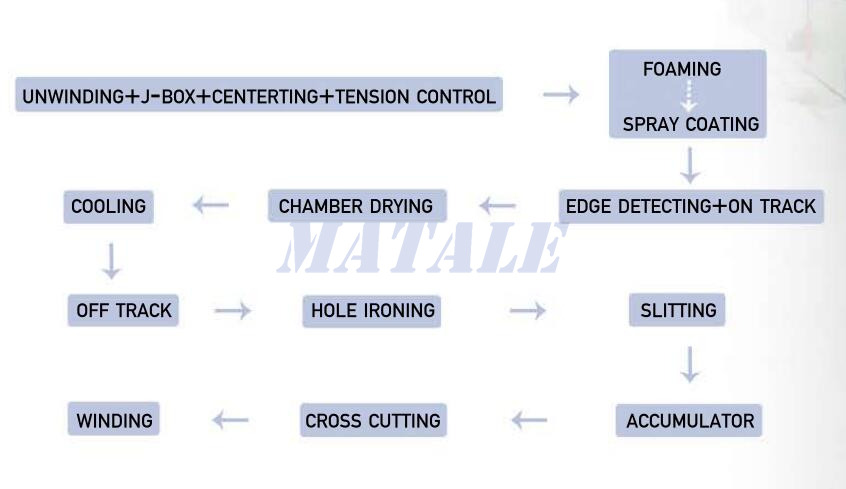
Different installation environments require specific backing profiles. You cannot use a universal coating weight. Residential landscaping prioritizes flexibility. Installers must navigate subbase contouring and complex yard shapes. Lighter coating weights allow the turf to drape naturally over undulations. High-impact sports turf requires maximum durability. Aggressive cleat traffic demands exceptional tuft bind. Sports applications utilize heavier coating weights to lock fibers securely. The application dictates the mechanical setup of the coating line.
Application Type | Typical Coating Weight (oz/sq yd) | Primary Requirement | Flexibility Level |
|---|---|---|---|
Residential Landscaping | 20 - 26 | Subbase contouring, unroll ease | High |
Commercial Landscapes | 24 - 28 | Moderate foot traffic resilience | Medium |
Pet Turf | 26 - 30 | Drainage efficiency, liquid resistance | Medium |
High-Impact Sports Fields | 28 - 34+ | Maximum tuft bind, cleat resistance | Low |
Material chemistry alters the required application volume. Latex and polyurethane possess different specific gravities. Latex contains water and requires thermal evaporation. It typically requires a higher wet application weight to achieve the desired dry weight. Polyurethane cures through a chemical reaction. It contains nearly 100% solids. PU expands slightly during the curing process. This expansion helps lock the yarn loops securely. You generally apply less PU by weight compared to latex. Formulation viscosity impacts the necessary application volume. Thicker compounds require higher pressure to penetrate the primary backing. Operators must adjust machine settings when switching between these two distinct chemical families.
Latex Compounds: Require higher wet application weights due to water content evaporation during the curing phase.
Polyurethane Compounds: Require lower application weights due to 100% solids content and slight expansion properties.
Viscosity Adjustments: Thicker formulations demand wider doctor blade gaps and slower line speeds to ensure adequate penetration.
Curing Profiles: Latex relies on high-temperature moisture removal, while PU relies on controlled chemical cross-linking.
Face weight directly influences the required adhesive volume. High-density face weights pack more yarn into every square inch. Typical residential face weights range from 40 to 90 ounces per square yard. Taller pile heights range from 1 to 3 inches. Densely packed tufts create a tighter primary backing surface. The adhesive must navigate around more fiber bundles. You need increased coating volume to properly seal heavier tufts. However, you must maintain flexibility. Over-applying compound to heavy face weights creates a board-like product. Operators balance volume and penetration to secure dense yarns without compromising roll flexibility.
Assess the face weight and pile height specifications on the production ticket.
Increase the applicator roll speed slightly to deliver more compound to dense yarn bases.
Adjust the doctor blade gap to allow a thicker layer of adhesive to pass through.
Monitor the penetration depth visually before the turf enters the curing oven.
Conduct immediate tuft bind tests post-curing to verify the adjustments secured the dense fibers.
Mechanical precision dictates adhesive thickness. An artificial grass coating machine utilizes a doctor blade system. This blade sits above an applicator roll. The applicator roll picks up liquid compound from a pan. The doctor blade scrapes off excess material. The gap between the blade and the roll determines the exact thickness. This gap setting directly translates to coating weight. Operators use micrometer adjustments or pneumatic cylinders to set this gap. Even a millimeter deviation alters the applied weight significantly. The primary backing passes over this applicator roll. It picks up the precise layer of metered adhesive.
Material feed rates must synchronize with application rates. A modern turf back coating line relies on advanced tension control. The primary backing stretches as it absorbs liquid and heat. Load cells monitor this tension continuously. Variable frequency drives adjust roller speeds to maintain consistent pull. If the line speed drops, compound pools on the backing. If the speed increases, the applicator skips sections. Uneven weight distribution ruins the final product. Synchronizing line speed prevents these defects. It ensures the adhesive spreads uniformly across the entire width of the carpet, regardless of the backing's thermal expansion.
Application speed must align with thermal curing capacity. The coated turf immediately enters a multi-zone curing oven. The oven evaporates water from latex or accelerates PU cross-linking. The speed of the coating machine dictates the dwell time inside the oven. If the line runs too fast, the backing remains wet. If it runs too slow, the compound blisters or burns. Oven temperatures step up gradually across different zones. This prevents trapping moisture beneath a cured surface layer. Operators balance applicator speed against oven length and temperature profiles. Thorough drying ensures the applied weight achieves maximum structural integrity.
Equipment must maintain strict weight tolerances. Manufacturers publish a Technical Data Sheet (TDS) for every turf product. Customers rely on these specifications. You evaluate a machine based on its ability to hit these targets. It must hold tolerances within a few grams per square meter. This precision must last across continuous, multi-shift production runs. Variations cause product rejections and warranty claims. High-quality machinery utilizes automated gap controls. It monitors compound viscosity and adjusts the doctor blade dynamically. This ensures the final product strictly matches the manufacturer's TDS specifications.
Production facilities require operational flexibility. You rarely run the same product continuously for weeks. A capable synthetic grass backing machine allows rapid transitions. You must switch between latex and PU compounds efficiently. You also transition between lightweight residential and heavyweight sports turf settings. Fast changeovers minimize machine downtime. Look for quick-release applicator rolls and automated cleaning cycles. Easy access to the coating pan reduces manual labor during washdowns. Machines offering high scalability improve overall plant throughput. They allow manufacturers to accept diverse orders without crippling production schedules.
Thermal management impacts operational profitability. Curing heavy coating weights requires massive energy input. Evaluate the efficiency of the machine's drive systems. Assess the oven's thermal insulation and air recirculation capabilities. Modern ovens capture and reuse heated exhaust air. This reduces natural gas or electrical consumption. Environmental compliance also matters. Heavy coating weights produce more volatile organic compounds (VOCs) during curing. Efficient exhaust scrubbing systems mitigate this environmental impact. Balancing heavy application weights with energy-efficient curing defines a successful manufacturing operation.
Adhesive compounds represent a massive raw material expense. Over-applying coating by just two ounces per yard destroys profit margins. A standard 15-foot by 100-foot roll contains roughly 166 square yards. Adding two unnecessary ounces per yard wastes over 20 pounds of compound per roll. Over an annual production cycle, this waste scales massively. However, under-applying carries severe warranty risks. Poor tuft lock leads to field replacements. You must analyze this physical volume trade-off carefully. Precision machinery eliminates this guesswork. It applies the exact minimum volume required to pass durability tests. This optimized approach maximizes product lifespan while protecting material inventory.
Final roll weight dictates freight logistics. Heavier coating weights increase the overall mass of the turf roll. Standard rolls measure 15 feet wide and up to 100 feet long. Adding extra adhesive makes these rolls incredibly heavy. This impacts freight logistics directly. Standard flatbed trucks have strict weight limits, often capping around 45,000 pounds. Heavier rolls mean fewer rolls fit on a single truck. It also impacts handling requirements. Warehouse staff need heavier forklifts to move the inventory. Installation crews face higher physical strain. They struggle to maneuver overweight rolls into residential backyards. You must balance durability with logistical reality.
Backing stiffness affects installation quality. You face a trade-off between a highly durable backing and practical installation needs. Heavy coating weights create rigid turf. Rigid turf resists unrolling. It refuses to lay flat in cold weather. It fails to conform to subbase undulations during backyard makeovers. Installers struggle to cut and seam stiff backings. Conversely, extremely flexible backings might lack sufficient tuft bind for heavy traffic. Manufacturers must formulate compounds that cure strong but remain pliable. The correct application weight ensures the turf handles easily on-site while surviving years of foot traffic.
Mechanical failures compromise product integrity. Worn applicator rolls apply adhesive inconsistently. Inconsistent pump pressure causes compound surges. Clogged inline filters restrict material flow. These issues lead to uneven coating weights across the carpet width. Thin spots lack sufficient tuft lock. Thick spots cure improperly and blister in the oven. Both scenarios cause subsequent backing separation. Delamination occurs when the secondary backing peels away from the primary fabric. Regular maintenance prevents these mechanical failures. Operators must inspect doctor blades for wear. They must calibrate tension sensors frequently. Consistent mechanical performance guarantees uniform adhesive distribution.
Verification requires immediate physical testing. You cannot rely solely on visual inspections. Industry-standard testing protocols dictate quality control. Operators perform dynamometer pull tests immediately after the turf exits the machine. They clamp a single grass tuft and pull it vertically. The dynamometer measures the force required to extract the yarn. Landscape turf typically requires a 10-pound pull force, while sports turf demands 20 pounds or more. This verifies that the applied weight achieved the necessary holding strength. If the test fails, operators adjust the coating weight or oven temperature immediately. This prevents manufacturing thousands of feet of defective product.
Automation prevents weight deviations. Modern production lines integrate continuous monitoring systems. Automated beta gauge or ultrasonic scanning sensors sit at the end of the curing oven. They traverse the web and measure the mass of the finished carpet in real-time. The system compares this data against the bare primary backing weight. It calculates the exact coating weight applied. If the weight drifts out of tolerance, the system alerts the operator. Advanced systems automatically adjust the doctor blade gap to correct the deviation. This closed-loop feedback ensures absolute consistency from the first yard to the last.
Conduct comprehensive material trials on prospective coating lines to determine exact penetration rates for your specific yarn densities.
Run dynamometer tuft bind tests on all output to verify that the applied weight meets your Technical Data Sheet specifications.
Upgrade your current machinery to a system with automated doctor blade controls to eliminate manual gap setting errors.
Implement real-time weight scanning sensors to detect and correct adhesive application deviations instantly during production runs.
A: Face weight measures the mass of the synthetic yarn or blades. Coating weight refers to the liquid adhesive backing applied by the machine to secure the yarn. Infill weight is the sand or rubber granules added during installation to support the blades.
A: The machine utilizes a doctor blade positioned over an applicator roll. Operators adjust the gap between the blade and the roll to meter the exact thickness of the compound. Variable line speeds and tension controls ensure uniform application.
A: Heavier does not always mean better. The weight must be optimized for proper tuft lock. Applying too much compound wastes material and makes the turf too rigid to install easily. Quality depends on precise application, not just maximum weight.
A: No, backing color is purely aesthetic. Durability, UV resistance, and dimensional strength are determined by the chemical formulation of the coating and the precision of the applied weight, regardless of whether the backing is black or green.
A: Polyurethane and latex possess different material densities and specific gravities. Polyurethane is nearly 100% solids and expands during curing, requiring less applied weight. Latex contains water that must evaporate, requiring a higher wet application volume.
A: Operators perform standard dynamometer tuft bind tests to measure pull strength. They also visually inspect the primary backing for proper penetration and cross-reference the final product weight with the target Technical Data Sheet specifications.
A: Setting the weight too low prevents the adhesive from fully encapsulating the yarn base. This results in poor tuft lock, rapid yarn shedding under foot traffic, and eventual delamination of the backing layers.