- All
- Product Name
- Product Keyword
- Product Model
- Product Summary
- Product Description
- Multi Field Search


Views: 0 Author: Site Editor Publish Time: 2026-07-18 Origin: Site


A tufting machine is only as efficient as its yarn delivery method. Frequent stops for yarn breakage or tangles destroy production metrics and inflate labor costs. You cannot reach peak efficiency if you constantly pause your machines. When you move from basic setups to broadloom weaving, your staging methods face severe strain. Ad-hoc racks simply fail under pressure. We often see operators battling tangled threads instead of running machines. This destroys your daily output goals. Without a structured approach, production scales poorly. Smooth delivery paths protect your profit margins. Evaluating your current feeding methods reveals exactly where bottlenecks hide. Upgrading to a purpose-built tufting machine creel transforms your floor. It moves your team from reactive problem-solving to predictable manufacturing. You gain perfect tension stability. You unlock massive staging capacity. Ultimately, a proper delivery framework keeps your needles moving and your operators highly productive.
Purpose-built creels stabilize tension across hundreds of ends, preventing pile height inconsistencies and backing blowouts.
Advanced yarn feeding systems enable continuous run capabilities through magazine-style "tail-to-head" splicing.
Evaluating a creel requires balancing spool capacity against production floor footprint and operator accessibility.
Integrating a new creel into an existing tufting production line demands careful attention to static mitigation and tube routing paths.
Downtime eats profits faster than any other operational flaw. A single snag stops everything. If one thread drops, your entire machine halts. You lose valuable production time across hundreds of idle needles. Machine downtime escalates quickly in scaling environments. We often see facilities losing hours each shift just fixing minor breaks. Operators spend minutes tracing the broken end back to its source. They must re-thread the path manually. Meanwhile, your high-speed tufter sits completely idle. These small stops compound over a week. They severely impact your overall delivery schedules.
Material waste poses another massive challenge for manufacturers. Uneven tension draws irregular amounts of carpet tufting yarn. This inconsistency ruins your pile heights. You end up over-tufting certain sections. Your finishing team then shears off excess material. This process wastes expensive raw inputs. Sometimes, tension spikes cause entire batches to face rejection. Backing blowouts occur when tension pulls too tightly. The needle punches a hole too large for the primary backing. This defect compromises the entire carpet structure. You cannot easily repair these sections. You simply lose the material entirely.
Do not overlook operator fatigue. Hidden labor costs drain your profitability. Operators should monitor machine performance. They should not wrestle heavy cones mid-run. Constantly re-threading tubes drains their physical energy. Manual adjustments lead to mistakes and slower reaction times. A stressed operator cannot maintain peak efficiency. They miss quality control issues. They react slower to warning lights.
Repetitive Motion Injuries: Reaching for high cones constantly causes shoulder strain over time.
Mental Fatigue: Tracking hundreds of paths drains focus and reduces situational awareness.
Reduced Output: Tired operators execute changeovers much slower at the end of their shifts.
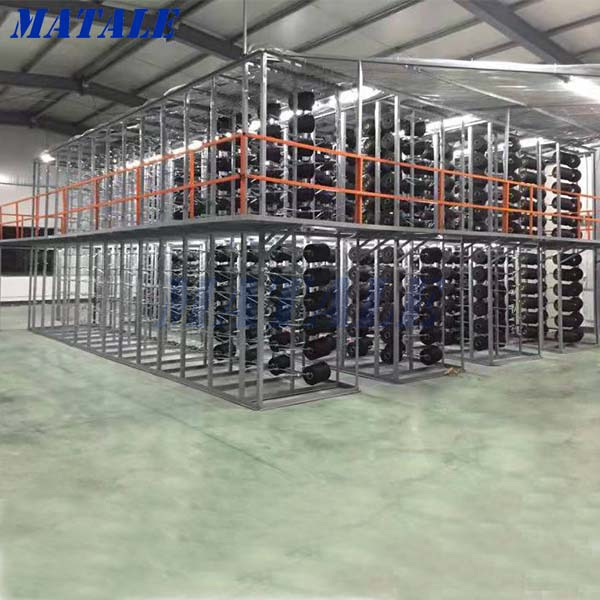
Modernizing your yarn feeding system changes everything. Tension standardization sits at the heart of this upgrade. Creels utilize mechanical disc tensioners or pneumatic equivalents. These mechanisms ensure identical resistance for every single thread. When thread enters the feed rollers, you maintain absolute control. Consistent resistance eliminates loops and skips in the backing. Mechanical gates squeeze the fiber between two plates. Springs dictate the applied pressure. You adjust these springs manually to match your specific fiber thickness.
Path optimization further refines the delivery process. Anti-static header tubes prevent synthetic fibers from clinging to surfaces. Ceramic eyelets offer incredibly smooth contact points. Clear routing paths remove unnecessary friction between the cone and the needles. Every reduction in friction lowers the chance of a break. Tubes guide the threads safely above the working floor. This isolation prevents dust contamination. It also stops personnel from accidentally snagging lines while walking past. The header board collects all ends into a uniform sheet. This sheet feeds directly into the machine rollers at a perfect mathematical angle.
You also unlock continuous production capabilities. We call this a magazine setup. Active cones splice directly to reserve cones. You perform this "tail-to-head" connection while the machine runs. You never have to stop the entire tufting production line for basic changeovers. Endless feeding maximizes your daily throughput. The active cone empties completely. The tension pulls the spliced knot through the tube seamlessly. The reserve cone immediately begins feeding. Your operators replace the empty cardboard core with a fresh cone. They splice it to the new active tail. The cycle never breaks.
You must assess frame construction carefully before buying. Structural rigidity dictates performance. Aluminum profiles give you great modularity. You can easily expand them later. However, heavy-gauge steel provides unmatched stability. Steel prevents vibration-induced tension variations during high-speed runs. Your choice depends entirely on your long-term expansion goals. Heavy broadloom setups almost always require steel. The mass absorbs the constant jerking motion of heavy denier yarns.
Compare your tension options rigorously. Passive mechanical tensioners cost less upfront. They do require higher maintenance over time. Dust builds up inside spring mechanisms. Operators must clean them regularly. Centralized pneumatic tension systems demand a higher initial investment. Yet, they offer precise global adjustments. You turn one dial to adjust the entire rack simultaneously. Pneumatic systems deliver highly repeatable results across thousands of yards.
Table 1: Tensioner Technology Comparison | ||||
Technology Type | Upfront Investment | Maintenance Needs | Adjustment Speed | Ideal Application |
|---|---|---|---|---|
Mechanical Disc | Low | High (Frequent cleaning) | Slow (Individual adjustment) | Small to mid-size runs |
Pneumatic Centralized | High | Low (Self-cleaning bursts) | Fast (Global dial control) | High-speed broadloom |
You must balance capacity against available floor space. Calculate your necessary end-count. Factor in both active and reserve cones. V-shaped geometries fit well in wider spaces. They allow operators to stand inside the "V" to load cones efficiently. Rectangular setups work better for narrow linear paths. Sliding-frame geometries maximize dense footprints. They allow racks to slide out like drawers for loading.
Chart: Creel Footprint Estimation Matrix | |||
Spool Count (Total) | Configuration | Est. Floor Space (Sq Ft) | Aisle Clearance Focus |
|---|---|---|---|
500 - 800 | Rectangular Inline | 150 - 250 | Side Access Only |
800 - 1500 | V-Shaped Magazine | 300 - 500 | Internal V-Walkway |
1500+ | Multi-Row Sliding | 500 - 800+ | Forklift Staging Lanes |
Always verify physical dimensions. Ensure the delivery angles align perfectly. The header board must match your equipment's feed roller intake heights. Misalignment causes instant tension spikes. Fibers will scrape against the edge of the tubes. This scraping creates dangerous lint. Lint clogs the tensioners and causes immediate breaks.
Floor layout constraints dictate your success. These racks demand significant real estate. They often require more square footage than the tufting machine itself. You must plan for operator aisle clearance. Forklifts need enough room to stage heavy pallets safely. Cramped aisles lead to accidents. They severely slow down changeovers. Operators need space to maneuver carts full of fresh cones. You cannot squeeze a massive rack into a tiny corner and expect good results.
Long pneumatic delivery tubes create static electricity. Synthetic fibers generate immense friction as they travel. You risk serious static build-up without proper safeguards. Implement strict grounding protocols for all metal frames. Control your facility humidity levels tightly. Dry air makes static problems much worse. Static causes fibers to repel each other. They blossom open before entering the needles. This blossoming creates messy stitches. It also shocks operators who touch the metal frame. We recommend maintaining relative humidity around 55 to 65 percent.
Expect an initial learning curve during rollout. New equipment slows operators down at first. They must learn efficient splicing techniques. Weaver's knots work perfectly for strong joints. Pneumatic splicers offer even faster connections. Proper training unlocks the true speed benefits of a magazine setup.
Audit the Space: Measure all available square footage including overhead clearance.
Install Grounding: Connect heavy copper grounding wires to the main chassis immediately.
Train the Knots: Run daily workshops on tying rapid tail-to-head splices.
Test the Tension: Run small batches first to calibrate the pneumatic dials accurately.
You cannot skip these training steps. A magazine setup only works if the splices hold. If the knots slip, the line drops. The machine halts. You lose all the efficiency you just purchased.
How do you define a successful implementation? Track your Overall Equipment Effectiveness (OEE). This metric reveals your true manufacturing potential. Monitor the direct reduction in yarn-related machine stops. Calculate your decreased material waste percentages. Better tension means fewer rejected batches. Look at long-term uptime gains. When your machine runs constantly, your output per shift skyrockets. You dilute your fixed labor costs across a higher volume of finished goods.
Look beyond the equipment catalog when evaluating partners. Prioritize manufacturers who offer true partnership. Good vendors provide detailed layout consultation. They customize header tube routing for your specific space. They guarantee replacement parts availability. You will eventually need new tension discs or ceramic guides. A vendor who disappears after installation leaves you stranded. Ask them about their response times for replacement parts. Evaluate their engineering support for custom delivery angles.
Start your upgrade process with hard data. Conduct a detailed time-study today. Record every machine stoppage related to your current racks. Quantify the lost minutes per shift. Measure the pounds of sheared waste generated by uneven pile heights. Use this hard data to justify your capital expenditure moving forward.
A high-quality creel functions as an active system. It is never just a passive storage rack. It acts as a critical component dictating your product quality. Proper tension control eliminates backing blowouts. Optimized routing paths keep friction low and speeds high. Continuous magazine configurations eliminate costly changeover pauses.
Investing in a robust delivery framework pays off immensely. It ensures your high-speed equipment runs at its true engineered capacity. You stop fighting tangled threads and start producing profitable carpets. Your operators experience less fatigue and make fewer errors.
Audit your current floor layout this week. Review your downtime logs. Contact a specialized equipment consultant. Explore custom configurations tailored exactly to your specific facility. Every day you delay, inefficient feeding steals from your bottom line.
A: A standard commercial rack requires between 200 and 600 square feet. This depends heavily on your spool count and configuration. Inline designs save width but extend far back. V-shaped configurations use more width but keep operators closer to the machine. Always allocate an extra 36 inches around the perimeter for safe operator aisles and material staging.
A: Yes. Delivery racks remain largely machine-agnostic. The key to integration involves customizing the header board. The exit tubes and entry angles must align perfectly with your older machine's feed rollers. A proper vendor will engineer the delivery path to match your exact intake height, preventing friction and tension spikes.
A: A standard configuration holds one active cone per thread path. When it empties, the machine must stop for reloading. A magazine setup holds double the capacity. It pairs an active cone with a reserve cone. Operators tie the tail of the active yarn to the head of the reserve yarn, enabling continuous, zero-downtime operation.
A: It isolates every single thread. Secure holders keep the cones firmly in place. Individual tensioners apply consistent pull to prevent slack. Isolated guide tubes route each thread separately from the cone directly to the header board. This strict physical separation guarantees threads never touch, cross, or tangle during high-speed production.