- All
- Product Name
- Product Keyword
- Product Model
- Product Summary
- Product Description
- Multi Field Search


Views: 0 Author: Site Editor Publish Time: 2026-07-20 Origin: Site


In high-volume tufting, millimetric deviations in blade sharpness directly correlate to yarn fraying, uneven pile heights, and costly machine downtime. Poor cutting edges cause major disruptions across the manufacturing floor. Relying on variable manual sharpening or third-party logistics for blade maintenance introduces unpredictable production bottlenecks. You cannot afford to wait weeks for dull blades to return from an external vendor.
Integrating a dedicated, precision-engineered knife grind machine standardizes edge geometry perfectly. It extends the lifecycle of critical tooling significantly. This shift transforms blade maintenance from a supply chain vulnerability into a highly controlled internal process. You will soon discover how in-house sharpening elevates textile quality, reduces long-term operational expenses, and stabilizes your tufting lines against external delays.
Quality Control: Automated grinding ensures exact bevel angles, preventing the metallurgical damage and micro-fractures common in manual sharpening.
Operational Uptime: In-house grinding eliminates the lead times associated with outsourcing, keeping carpet manufacturing lines running continuously.
Cost Efficiency: While capital-intensive upfront, transitioning blade maintenance in-house significantly reduces the recurring procurement costs of replacement tufting spare parts.
Risk Mitigation: Successful implementation requires evaluating coolant systems, operator training thresholds, and CNC integration to prevent workflow disruption.
Sub-optimal blade edges ruin high-quality textiles rapidly. When a blade loses its factory edge, operators immediately notice "J-cuts" appearing across the fabric. Skipped stitches compromise the structural integrity of the carpet backing. Tearing occurs frequently in cut-pile production. These manufacturing flaws force quality assurance teams to scrap entire carpet rolls. Material waste directly impacts your bottom line. Dull blades also force tufting machines to work harder. This extra friction causes mechanical strain on adjacent machine components. Routine tufting knife grinding becomes an absolute necessity to maintain pristine cut quality.
Outsourcing your sharpening introduces severe supply chain bottlenecks. You face numerous hidden costs when relying on third-party services. Transit delays frequently disrupt tight production schedules. Batch inconsistencies mean some blades return perfectly sharp while others fail immediately. To combat these delays, facilities must hold massive inventories of spare blades. This traps valuable capital inside steel parts sitting idle on a shelf. Shipping heavy steel components back and forth also incurs substantial freight costs. Over a single fiscal year, these logistical expenses accumulate into a massive financial burden.
Many facilities attempt manual bench grinding to save money. This approach almost always fails. Human hands cannot hold a blade at a perfect 40-degree angle for several minutes. Human error alters the factory-spec bevel angle of a carpet machine knife permanently. Uneven pressure creates hot spots along the cutting edge. These hot spots destroy the temper of the steel. Once the steel loses its temper, the blade becomes brittle. Micro-fractures develop along the cutting surface. A manually sharpened blade will suffer premature failure, often snapping mid-production and causing catastrophic damage to the tufting machine itself.
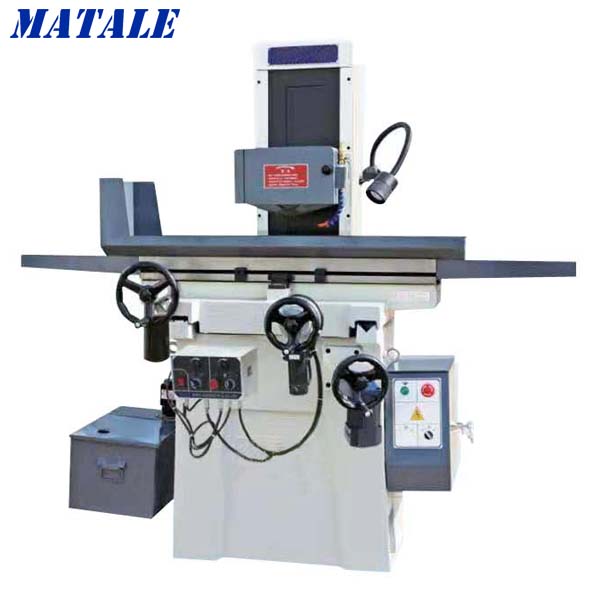
Precision defines a successful sharpening operation. You must establish strict baseline accuracy for your tools. Programmable CNC grinders are mandatory for maintaining exact edge geometry across large batches. These machines operate within sub-micron tolerances. They replicate the original OEM specifications perfectly. When you process 500 blades, the first blade and the last blade must feature the exact same bevel angle. CNC systems eliminate the variability inherent in human operation. They use servo motors and digital sensors to apply consistent pressure. This guarantees a uniform edge profile every single time.
Thermal management is the second critical evaluation factor. Grinding generates immense friction and heat. Excessive heat causes metallurgical degradation. The steel loses its temper and becomes dangerously brittle. You must evaluate the cooling mechanisms of any potential grinder. Flood coolant systems drench the grinding zone in fluid. Misting systems spray a fine aerosol mixture onto the wheel. Proper cooling preserves the Rockwell hardness of your blades.
Comparison Chart: Coolant Systems in Knife Grinders | |||
Coolant System | Thermal Management Capability | Maintenance Requirements | Best Application Scenario |
|---|---|---|---|
Flood Coolant | Excellent - Submerges the contact point completely. | High - Requires fluid filtration and regular disposal. | High-volume continuous batch grinding. |
Mist Coolant | Moderate - Evaporative cooling handles standard heat. | Low - Minimal fluid runoff and easy cleanup. | Low-volume or intermittent touch-up grinding. |
Dry Grinding | Poor - Very high risk of losing steel temper. | Minimal - Only requires dust extraction. | Not recommended for carpet machine knives. |
Your equipment must also demonstrate high versatility. Tufting mills utilize various blade geometries simultaneously. A commercial grinder must handle looper knives, hook blades, and standard straight blades. Look for machines featuring quick-change modular fixtures. These fixtures allow operators to swap between different blade profiles in minutes. Finally, assess the throughput capacity. Calculate the cycle times carefully. How many blades can the system process per hour without sacrificing edge quality? A machine processing 100 blades per hour provides significantly more value than a slower unit, provided the edge geometry remains flawless.
Transitioning blade maintenance internally requires a thorough financial evaluation. You must break down the initial CapEx of the machine versus the OpEx of continuous outsourced sharpening. Purchasing a CNC grinder represents a substantial upfront investment. However, you must weigh this against the perpetual costs of external vendors. Outsourcing includes hourly sharpening fees, expedited freight charges, and administrative processing times. When you eliminate external vendor fees, the monthly cash flow improves dramatically. The direct savings from halted shipping expenses alone often justify the equipment purchase within the first few years.
Inventory reduction offers another massive financial benefit. Relying on external sharpening forces you to maintain an inflated safety stock of tools. You need extra blades running in the machines, a set sitting on the shelf, and a set traveling in transit. Rapid, in-house turnaround reduces this bloated inventory. You no longer need to tie up vital capital in excess tufting spare parts. Facilities often cut their spare parts inventory by fifty percent after installing an in-house grinder. This frees up operational budget for other technological upgrades.
You can build a transparent payback period model using specific factory variables. To calculate your return on investment accurately, consider these primary inputs:
Machine Running Hours: Calculate total weekly tufting hours to determine exact blade wear rates.
Blade Consumption Rates: Track how many new blades you purchase annually due to outsourced sharpening failures.
Defect Reduction: Quantify the financial value of salvaged carpet runs previously lost to J-cuts and skipped stitches.
Freight Savings: Sum all annual shipping invoices associated with sending blades to external vendors.
By aggregating these factors, plant managers typically discover a payback period ranging between 18 to 36 months. After this breakeven point, the grinder generates pure operational savings.
Automated CNC systems streamline production, but they still require skilled human oversight. Operator training remains a critical implementation reality. Even the most advanced software requires competent personnel for initial setup. Operators must understand how to program the digital interface. They need training on proper wheel dressing techniques and daily machine calibration. Do not assume a machine operates entirely autonomously out of the box. Investing in comprehensive vendor training prevents costly machine crashes and ensures the grinder produces flawless edges from day one.
Abrasive wheel selection dictates the success of your grinding operation. Using the wrong wheel destroys both the tool and the blade. You must match the wheel material to the specific steel alloy of your knives. Different abrasives offer unique cutting properties.
CBN (Cubic Boron Nitride): CBN wheels remain the industry standard for high-speed steel. They dissipate heat rapidly and maintain their shape over thousands of cycles. They rarely require dressing.
Diamond Abrasives: Use diamond wheels exclusively for carbide-tipped blades. Diamond represents the hardest material available, but it reacts poorly to standard carbon steel due to carbon solubility at high temperatures.
Aluminum Oxide: These represent the budget-friendly option. While suitable for basic carbon steel, they wear down quickly and require constant dressing to maintain a flat profile.
Facility preparation also requires careful planning. You must define the environmental footprint of the new equipment. Grinders require specific utility connections. Verify your facility has the correct electrical power drops available. Coolant disposal requires strict environmental compliance. You cannot simply dump used synthetic coolant into municipal drains. Establish a relationship with a certified waste management company. Furthermore, schedule routine calibration intervals for the grinder. Vibration from the factory floor can subtly alter CNC alignments over time. Regular preventive maintenance keeps the machine operating within its required sub-micron tolerances.
Selecting the right equipment manufacturer requires rigorous testing. Never purchase a precision grinder based solely on a digital brochure. Advise your buying committee to request a Proof of Concept (PoC). Send a batch of your own dulled blades to the vendor. Ask them to process these specific blades on their demonstration machines. Once returned, inspect the edge finish under magnification. Verify the angle retention against OEM specifications. A successful PoC proves the machine handles your exact materials and geometries without issue.
Service Level Agreements (SLAs) differentiate excellent vendors from average ones. A broken grinder halts your entire tufting operation quickly. Emphasize the necessity of evaluating the vendor’s response time. Ask specific questions about their support infrastructure. Do they warehouse spare parts domestically? How quickly can a field technician arrive at your facility? Do they provide free software updates for the CNC interface? Strong SLAs ensure you never face prolonged downtime due to equipment failure.
Finally, draft a comprehensive integration roadmap. You must transition from external to internal grinding without disrupting current production schedules. Start by running the new machine in parallel with your outsourcing vendor. Train your dedicated operators on single blade types first. Gradually shift more volume internally as your team builds confidence. This phased approach mitigates risk entirely. Once the internal team consistently hits quality benchmarks, you can confidently terminate your third-party sharpening contracts.
A dedicated knife grind machine serves as much more than a simple maintenance tool. It stands as a strategic asset for quality assurance and supply chain independence. Taking control of your blade maintenance eliminates unpredictable vendor delays. It guarantees perfect edge geometries, which directly translates to flawless cut-pile carpet production. The elimination of shipping costs and inflated inventories creates immediate operational savings.
Operations managers must audit their current annual spend on blade replacement and external sharpening immediately. Analyzing these direct costs provides the financial justification needed to transition maintenance internally. The numbers consistently favor in-house precision equipment over the long term.
Do not let third-party inefficiencies dictate your production timelines. We encourage you to request a technical consultation or a customized assessment based on your specific tufting volume today. Take the first step toward complete manufacturing independence.
A: Angles generally vary between 30 to 45 degrees, depending heavily on the blade material and the specific tufting machine type. Steeper angles provide sharper cuts but wear faster. Programmable CNC grinders are strictly necessary to lock in these exact geometric tolerances and maintain consistency across large blade batches.
A: Dressing frequency depends on wheel type, blade hardness, and batch size. Aluminum oxide wheels require frequent dressing to remain flat. Conversely, premium CBN wheels hold their shape significantly longer. Modern CNC machines feature automated dressing cycles that re-profile the wheel precisely without halting the manufacturing workflow.
A: Yes, versatile commercial grinders can process multiple blade profiles. However, switching between cut-pile straight blades and loop-pile hooks requires specific fixture tooling. Higher-end grinding machines offer quick-change modular fixtures, allowing operators to swap setups in minutes without losing baseline calibration.
A: Generally, no. As long as operators respect the original factory geometry and thermal limits, OEM specifications remain intact. High-quality CNC grinders guarantee this precision. Avoiding manual bench grinding prevents the metallurgical damage and temper loss that typically voids manufacturer warranties.